Easy Steps to Whip Up Fresh and Tasty Salads
Getting Started with Making Salads
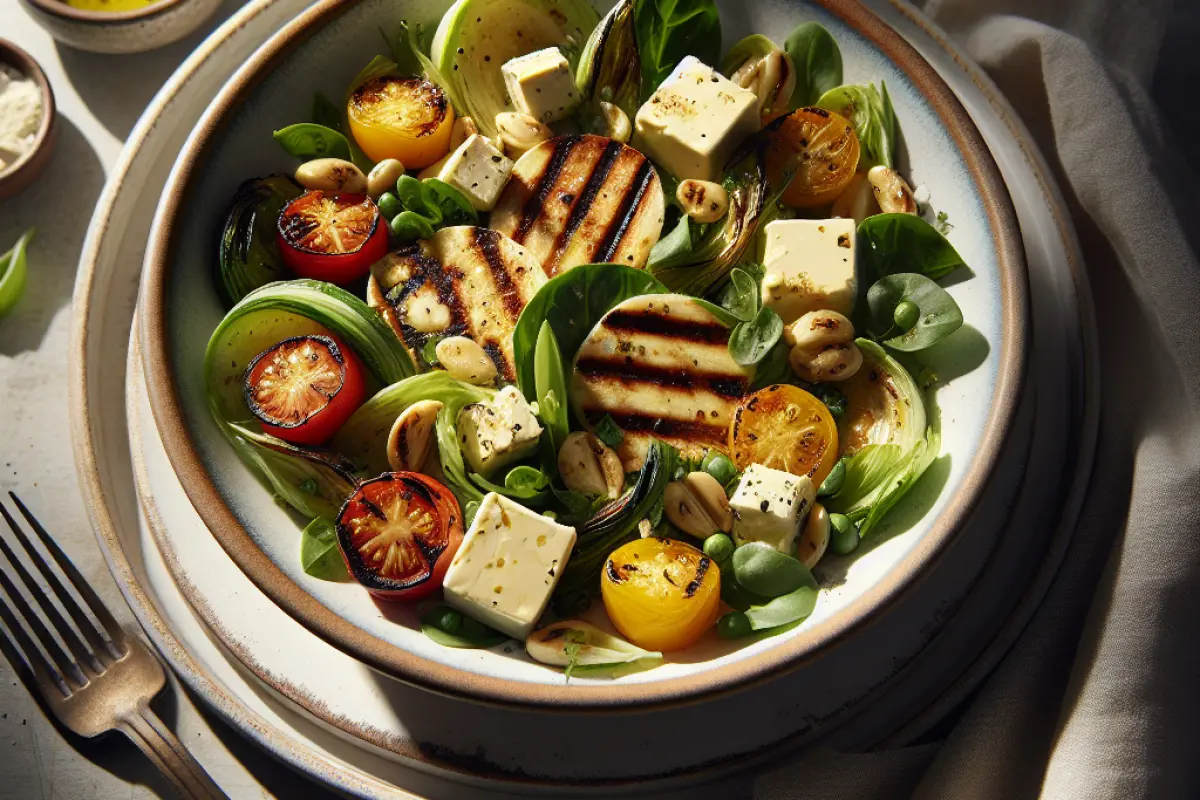
Ever since I first started playing around in the kitchen, salads have been my go-to whenever I wanted something light, healthy, and quick to toss together. You know those meals that don’t feel like work but still leave you feeling satisfied? Whether it’s a classic Greek salad loaded with juicy tomatoes and crumbly feta or a crisp Asian slaw flavored with toasted sesame oil, I’ve learned that making a great salad is more than just throwing ingredients into a bowl. It’s all about balancing textures and flavors using fresh, good-quality produce. This guide is for anyone curious about how to whip up salads that are tasty, simple, and easy to adjust based on what you’ve got or the season. I’m sharing practical tricks, tried-and-true tips, and lessons picked up over years of cooking—straightforward, no-nonsense kitchen advice with real ingredients.
Why This Salad Recipe Works
You might be asking yourself, why even bother with a salad recipe? Isn’t it just a bunch of veggies thrown together? That’s what I thought until I saw how salads often get stuck as the “boring side dish.” The truth is, salads are a blank canvas. When you get the hang of making one properly, you have full control over freshness and flavor. That means skipping those store-bought dressings loaded with preservatives and avoiding limp greens from the supermarket. Plus, salads are a perfect way to celebrate seasonal produce and customize everything to your diet—vegan, gluten-free, or anywhere in between. From visiting local farmers’ markets and testing different combos myself, I’ve found salads can be anything but dull. What really surprised me was how changing simple things like when you dress the salad or which herbs you add completely transform the experience. You don’t need fancy ingredients or tools—just fresh veggies, simple seasonings, and a little know-how.
What You’ll Need for Your Salad
Let me share what I usually have handy when I’m whipping up a salad. These ingredients strike a good balance between the classics and a few flexible picks that work well no matter the season:
- Fresh greens: about 150g each of lettuce (romaine or butterhead), spinach, arugula, or kale. Buying from a local market usually costs around ₹70-100 for a bunch, better quality than big supermarkets.
- Vegetables: 2 medium tomatoes (preferably vine-ripened), 1 large cucumber, 2 carrots, and 1 bell pepper (any color). These add crunch and color.
- Fruits (optional): You might want 100g of berries, slices of 1 apple, or segments of a small orange for contrast.
- Protein options: Depending on preference, 200g grilled chicken breast, 150g firm tofu, 1 cup cooked chickpeas, a small handful (about 50g) of nuts like walnuts or almonds, or 100g feta or goat cheese.
- Dressing basics: 3 tablespoons extra virgin olive oil, 1 tablespoon vinegar (red wine or apple cider), 2 teaspoons lemon juice, 1 teaspoon Dijon mustard, 1 teaspoon honey or maple syrup.
- Herbs and seasonings: Fresh parsley or cilantro (1 tablespoon chopped), salt (about 1 teaspoon), and freshly ground black pepper (½ teaspoon).
Last time I shopped for these ingredients, it set me back around ₹300-500, depending on the protein I picked. The trick is to hunt down fresh, seasonal produce — seriously, it makes all the difference. Skimp on that, and even the best dressing can’t save the salad. Also, don’t overlook the power of fresh herbs; just a quick sprinkle of cilantro or parsley can lift the whole thing from boring to bright. I always keep a few dressings in the fridge too, but I’ll dive into those a bit later.
How I Make My Go-To Salad
After trying out plenty of recipes and a bit of trial and error in my kitchen, here’s the way I usually put together a fresh salad—simple, tasty, and no-fuss.
- Wash and Dry Thoroughly
I grab about 150g each of my greens and rinse them gently in cold water. I use a salad spinner to dry them well, which takes about 5 minutes. You’ll want greens that are crisp, not soggy; wet leaves dilute the dressing and turn the salad limp quickly. - Chop Uniformly
I dice 2 medium tomatoes, slice 1 large cucumber into rounds, julienne 2 carrots, and cut 1 bell pepper into strips—all roughly bite-sized. Uniform size matters so every forkful has a balanced taste and texture. This step takes me about 10-12 minutes. - Prepare the Dressing
In a small bowl, I whisk together 3 tablespoons olive oil, 1 tablespoon vinegar, 2 teaspoons lemon juice, 1 teaspoon Dijon mustard, 1 teaspoon honey, 1 teaspoon salt, and ½ teaspoon pepper. It takes less than 5 minutes. I taste and adjust acidity or sweetness here. - Toss Just Before Serving
Here’s where the timing counts. I add most of the dressing to the greens and vegetables in a large bowl and toss lightly. I make sure not to overdress—start small! Dressing the salad only moments before eating keeps it fresh and crunchy. - Add Proteins and Extras
Finally, I add 200g of warm grilled chicken slices or 150g of tofu, or sprinkle nuts and cheese. This prevents them from getting soggy or overwhelmed by the dressing.
One thing I’ve learned the hard way is that dressing a salad too soon or using too much can turn it soggy and dull the flavors. I found this out the not-so-fun way when some leftovers went mushy the next day. So, if you’re prepping ahead like I do sometimes, keep the dressing on the side until you’re ready to eat.
Handy Cooking Tips and Tricks
Over the years, I’ve picked up a few useful tips that might come in handy the next time you’re in the kitchen:
- Always dry your greens really well after washing. Invest in a decent salad spinner. You’ll spend about ₹500-700 on one, but it’s worth it for crisp salads.
- Use a large bowl for tossing. It lets you coat everything evenly without bruising delicate leaves.
- Layer textures with crunchy components like nuts, bell peppers, or carrots alongside softer elements such as ripe tomatoes or avocado.
- Balance flavors by combining salty (cheese), sweet (honey in dressing), tart (vinegar or lemon), and bitter (arugula or kale) notes.
- Don’t be afraid to experiment with herbs—fresh basil or mint works well in different styles.
- When grilling chicken, marinate for at least 30 minutes with salt, lemon, and olive oil for better flavor and juiciness.
- Chop ingredients into similar sizes (about 1-1.5 cm pieces). It helps the salad sit better on your fork!
Swaps and Variations to Try
Salads are one of the most adaptable meals out there. Last week, I threw together a few based on whatever was left in my fridge—here are some simple ideas you can try too.
- Swap out leafy greens for grain bases like 1 cup cooked quinoa or couscous when you want something heartier.
- Roast seasonal vegetables like 200g of sweet potatoes or beets if you prefer warm, earthy flavors.
- Try dressing substitutions like 3 tablespoons tahini mixed with lemon juice and garlic or a yogurt-based dressing for creaminess.
- Use canned beans (about 1 cup) for quick protein instead of grilling meat.
- If you’re vegan or dairy-free, swap cheese with avocado slices or extra nuts for richness.
Adding extras like grains or roasted veggies usually takes an extra 10-15 minutes if you prep them ahead, but it really broadens what you can do with salads. Just a heads-up: it’s not the best option when you need something quick because of the extra prep time.
How to Serve and Pair Your Salads Right
I’ve noticed that a thoughtfully made salad can either steal the show or perfectly complement a meal. Here are a few of my favorite pairings that really hit the mark:
- Crusty artisan bread or garlic focaccia for soaking up dressing.
- Grilled proteins like chicken, fish, or tofu for a full meal.
- Something spicy or rich on the side, like a curry or roast meat, balances nicely with a fresh salad.
- For summer meals, a chilled glass of Sauvignon Blanc or sparkling water with a lemon wedge works great.
You’d be amazed at how much a simple pairing can change a dish. I remember one time when just adding some crusty bread made a basic grilled chicken with olive oil and vinegar dressing taste way better than I expected.
Mistakes to Watch Out For
There are plenty of warnings out there about what can go wrong with salads, and speaking from experience in my own kitchen, these definitely hit the mark:
- Overdressing: I remember a time when I drowned a salad in dressing and ended up with a soggy mess. Always start with less and add more if needed.
- Using limp or old vegetables: Check your produce before prep. I once used sad-looking lettuce that ruined the whole bowl’s texture.
- Not drying greens properly: Wet leaves mean soggy bites. Remember to spin or towel dry thoroughly.
- Uneven chopping leads to inconsistent mouthfeel. If pieces are too large or small, the salad feels off.
Keep these tips in mind, and you’ll dodge most of the usual salad mistakes.
Smart Storage and Simple Meal Prep
Salads can get a bit sad if dressed too far in advance, but if you like to prep ahead of time, here’s a trick that might help.
- Always keep the dressing separate, ideally in a jar. When you’re ready, toss it on.
- Store washed and dried greens in airtight containers lined with paper towels to absorb moisture. This can keep greens fresh for up to 2 days.
- Add crunchy toppings like nuts, seeds, or croutons right before eating to maintain texture.
- Leftover dressed salads are best eaten the same day—past that, expect limpness.
I once prepped a salad bowl for work, dressed it in the morning, and by lunchtime it was a soggy mess. Not my finest meal prep moment, but definitely a lesson learned!
Dietary Tips and Alternatives
What I love about salads is how effortlessly they fit into almost any diet, whether you’re cutting carbs, going vegetarian, or just trying to eat more greens.
- Vegetarian and vegan? Use plant proteins like tofu (150g), chickpeas (1 cup), or nuts (50g).
- Gluten-free? Avoid croutons or try quinoa instead of grain bases.
- Low-carb? Stick to leafy greens, proteins, and low sugar dressings.
- Watch for dressings containing sugars or gluten—some store-bought mustards or vinegars have additives. Making your own with olive oil, lemon juice, and mustard is usually safer.
Feel free to tweak the seasonings or swap out ingredients depending on what you like or need to avoid. That kind of flexibility really makes a difference.
FAQs
- Can I make salad ahead of time?
Yes, but keep the dressing separate and toss just before serving. Washed, dried greens last about 2 days refrigerated without dressing. - How do I prevent salad from getting soggy?
Always dry the ingredients well. Dress only before eating, and don’t overdress. - What’s a quick homemade salad dressing?
A classic mix of 3 tablespoons olive oil, 1 tablespoon lemon juice or vinegar, 1 teaspoon Dijon mustard, salt, and pepper works well. - Can I add grains or pasta to salads?
Absolutely! Cooked quinoa, couscous, or pasta (about 1 cup cooked) add fullness and variety. - Are there any best greens for salads?
It depends on taste; I like mixing mild lettuce with peppery arugula or kale for complexity. - How to store leftover salad?
If dressed, eat same day. Without dressing, refrigerated up to 2 days in airtight containers. - What nuts or seeds work well in salads?
Walnuts, almonds, pumpkin seeds, and sunflower seeds all add nice crunch and nutrition.
Conclusion
When you know how to make a good salad, it stops being just a side and becomes a meal in its own right. Fresh veggies, the right balance of dressing, and a little attention to the prep can turn any bowl from dull and soggy into something you actually look forward to. If you’re like me and prefer recipes that come from hands-on experience, this guide should give you a fresh perspective. Play around with it, find your favorite combos, and don’t be shy about experimenting. Sometimes the best meals come from happy accidents!
If you’re looking to mix more fresh veggies into your weeknight dinners, you might want to check out my post, “Simple Vegetable Stir-Fries for Busy Cooks.” And if you’re in the mood for something with a bit of an international twist, my “Easy Mediterranean Dishes to Brighten Your Dinner Table” could be just the thing to shake up your menu.
Don’t forget to subscribe if you want more straightforward recipes and helpful cooking tips from me, Vijay Shinde. Why not try making your own salads? It’s easier than you think, and you might end up loving how fresh and satisfying they are!
If this topic interests you, you may also find this useful: https://www.cravediary.com/blog/easy-fresh-how-to-make-the-perfect-salad-at-home