
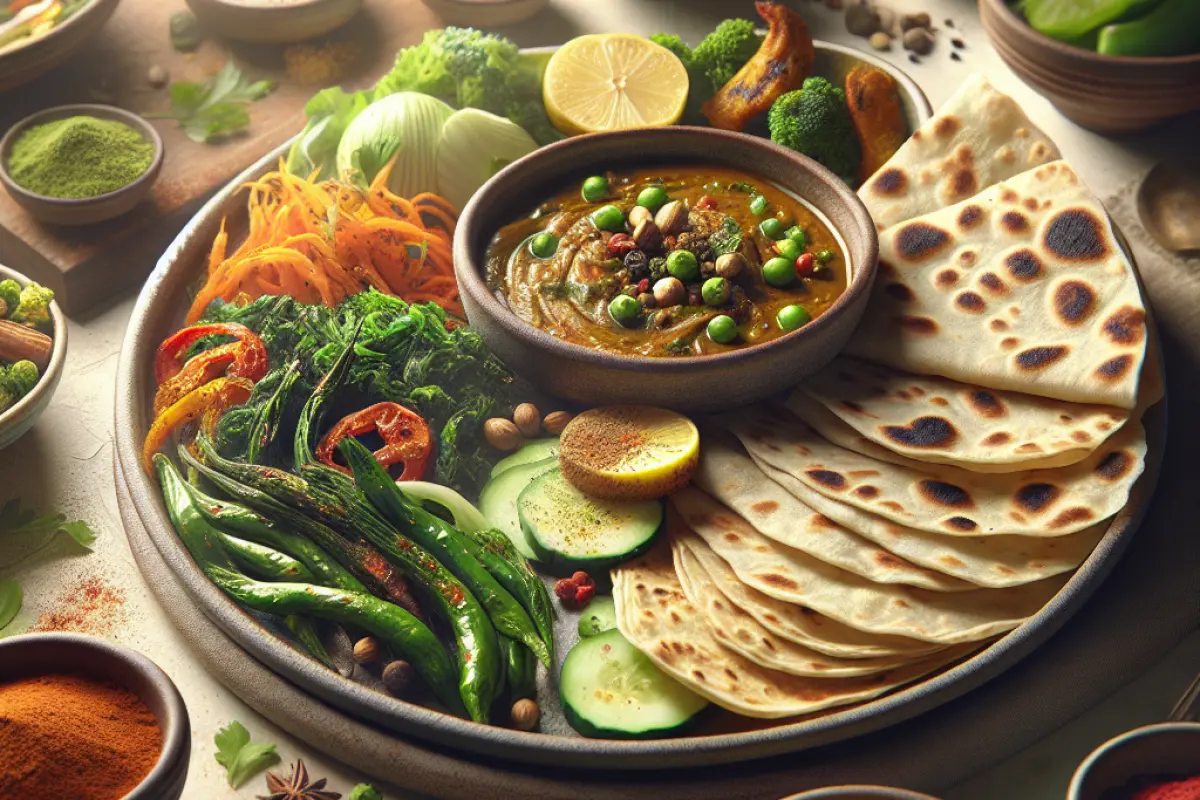
Complete Guide to Roti: A Healthy-Eating Recipe Journey
Introduction
Over the years, I've tried baking all kinds of breads in my kitchen, but nothing really holds a candle to the humble roti. I still smile thinking about the first time I rolled out a roti that was soft with just the right hint of char—that feeling is hard to beat. Roti isn’t just a daily staple in so many homes; it’s a versatile flatbread that pairs beautifully with a variety of dishes and offers a lighter alternative to heavier breads. This guide is made for anyone who loves food, wants to try their hand at traditional recipes, or is simply curious about healthier eating. Whether you’re just starting or have wrestled with dough before, I’ll share everything from ingredients and techniques to serving ideas and troubleshooting tips. By the end, you’ll be making roti like a pro and ready to make it a kitchen favorite.
Introduction to Roti
Roti, or chapati as many call it, is an unleavened flatbread that comes straight from the Indian subcontinent. It’s usually made with just whole wheat flour and water, and its charm lies in that simplicity. Unlike breads that rely on yeast or baking powder, roti is all about your touch and timing to get that soft texture and sometimes even a nice puff. It’s a staple carb in many households, often paired with curries, lentils, and veggies. What makes roti stand out as a healthy choice is the use of whole grains and the fact that it has little to no added fat or salt. Over the years, this simple dough has inspired plenty of regional variations, swapping in different flours or spices that add a bit of local character.
Why Roti Deserves a Spot in Your Kitchen
At first glance, roti might look like just another simple flatbread, but it’s so much more than that for millions of people. It proves how a few basic ingredients can come together to make something both tasty and satisfying. I know plenty of home cooks hesitate to try making roti, worried it might be too tricky or that it won’t turn out right. But once you get the hang of it, it feels like you’ve unlocked a new skill in the kitchen. Plus, roti is naturally healthy—low in fat, free from any additives, and packed with fiber. After cooking it myself and visiting several kitchens where it’s a daily staple, I can tell you mastering roti opened up a new world of flavors and traditions for me. This guide will help you make roti that’s soft but not sticky, flavorful yet plain enough to pair with almost anything.
What You’ll Need to Make Roti
The list of ingredients for roti is refreshingly simple, but every single one is essential to get that perfect taste and texture.
- Whole wheat flour (atta): This is the traditional base; look for finely milled to achieve softer dough.
- Water: Lukewarm water helps bind the dough better.
- Salt (optional): Adds subtle flavor, but many prefer roti plain to enjoy with savory dishes.
- Oil or ghee (optional): Used sparingly in dough or brushing roti after cooking for extra softness and shine.
Sometimes, people swap out the usual flour for options like millet, chickpea, or multigrain blends to add a twist or meet different dietary needs. I’ll share some of those variations with you in a bit.
How to Make Roti: Easy Steps
After spending quite a bit of time in traditional kitchens and trying things out myself, I’ve found a method that consistently gets great results.
- Mixing the dough: Combine 2 cups whole wheat flour and 1 teaspoon salt (if using) in a bowl. Slowly add about 3/4 cup lukewarm water while kneading till the dough comes together.
- Kneading: Knead for about 8-10 minutes until smooth and slightly elastic. I noticed a well-kneaded dough feels soft and springy. Rest for 20-30 minutes under a damp cloth to relax the gluten, which really helps with the texture.
- Dividing and shaping: Divide dough into small balls about the size of a golf ball (roughly 40-45 grams each).
- Rolling out: On a lightly floured surface, roll each ball into a thin, even circle about 6-7 inches in diameter. Don’t press too hard; use light, even pressure so your roti doesn’t turn tough or uneven.
- Cooking on tawa or skillet: Heat a cast iron or non-stick griddle on medium-high heat. Place the rolled roti on the hot griddle; when you see bubbles forming (after about 20-30 seconds), flip it. Cook the other side for another 30 seconds, then flip again and gently press edges with a clean cloth or spatula to encourage puffing.
- Finishing: Once puffed and with light brown spots, remove and optionally brush with 1 teaspoon ghee or melted butter for extra softness and gloss.
Tips and Tricks for Perfect Cooking
What turns a batch of rotis from tricky to terrific often boils down to the right technique—getting it just right makes all the difference.
- Flour quality: I’ve found that finer atta flour, costing around ₹40-60 per kg, yields softer rotis. Brands vary quite a bit, so it’s worth trying a few.
- Kneading: Don’t rush this part. It should take about 8-10 minutes by hand or 5-7 minutes in a stand mixer with a dough hook. A well-kneaded dough feels soft, pliable, and slightly springy. I once tried short kneading, resulting in rotis that were dense and hard to chew.
- Resting: This 20-30 minute rest under a damp cloth is crucial. Skipping it almost always led to tougher rotis for me.
- Rolling: Use light pressure and turn the dough ball frequently while rolling to keep the shape round and even. Over-flouring the surface can make the roti dry and tough, so dust sparingly.
- Cooking temperature: A hot tawa around medium-high heat (about 190-200°C) cooks rotis quickly without drying them out. Using cast iron works best for me because it retains heat well.
- Encouraging puff: The final flip and gentle pressing edges technique traps steam inside. That steam is what puffs up the roti. If yours aren’t puffing, it might be uneven rolling or insufficient heat.
If you’re curious about baking, you might want to check out my guide on how to bake perfect homemade bread every single time.
Different Ways to Switch It Up
Wheat roti is a classic for a reason, but don’t be afraid to mix things up a bit: try adding spices to the dough, swapping in different flours, or even stuffing them with tasty fillings.
- Multigrain roti: Mixing 1 cup whole wheat flour with 1 cup millet or oat flour adds nutrients and a nuttier flavor. I usually add a pinch (1/2 tsp) of cumin seeds or ajwain for a subtle scent.
- Gluten-free options: Chickpea (besan) or sorghum (jowar) flour works well for those avoiding gluten, but the dough needs different hydration. For example, 1 cup chickpea flour with 3/4 cup warm water and 1 tbsp oil creates a workable dough, but these rotis tend to be denser.
- Added ingredients: Incorporating finely chopped spinach (about 1/2 cup), fenugreek leaves (methi), or spices like turmeric and chili powder directly into the dough gave me an extra layer of flavor and color, plus more nutrition.
Trying out different mixes can be a great way to suit your dietary needs or just keep things interesting at mealtime. That said, some combinations can be a bit fiddly to roll or might not cook evenly, so they’re probably better saved for cooks who’ve got a bit of experience under their belt.
How to Serve and Pair Roti
Roti is surprisingly adaptable and goes well with a wide range of dishes. Whether it’s a simple vegetable curry, a hearty lentil stew, or even a spicy chutney, roti fits right in and helps soak up all those flavors.
- Traditional curries: Dal tadka, paneer tikka masala, or chana masala are classic companions. I find that serving fresh roti with a generous scoop of dal and a side of pickle creates a satisfying, wholesome meal.
- Vegetable sabzis: Lightly spiced stir-fried vegetables such as aloo gobi or bhindi masala balance the bread and make a healthy meal.
- Stuffed wraps: I often fill rotis with spiced mashed potatoes or cooked lentils, then roll them up for quick street-food style snacks or lunchboxes.
- Dips and sides: Yogurt-based raita or tangy coriander chutney add brightness when served alongside roti.
From my experience, roti tastes best when it's still warm and fresh off the griddle. On lazy weekend mornings, I like to switch things up by enjoying it with scrambled eggs and a tangy tomato chutney instead of the usual curry – it’s a simple but satisfying change of pace.
Mistakes to Avoid
We've all been there—making mistakes can be frustrating, but learning from them definitely saves you time and hassle down the road.
- Using too little water and ending up with dry, crumbly dough. I once started with barely 1/2 cup water and had dough that cracked immediately.
- Over-flouring the dough or surface, which leads to tough or doughy rotis that don’t puff. I recommend dusting just enough to prevent sticking.
- Not resting the dough adequately, resulting in poor texture that feels stiff and is harder to roll.
- Cooking on too low heat, causing rotis that take forever to cook and turn dry, or on excessively high heat that burns the outsides and leaves raw centers.
- Rolling unevenly or too thick, which prevents puffing and results in dense rotis. Rolling evenly to about 2 mm works well for me.
Tips for Storing and Preparing Roti in Advance
Roti tastes best right off the griddle, but if you have leftovers, you can definitely save them for later without much trouble.
- Cool rotis completely on a rack before stacking. This prevents sogginess and condensation buildup.
- Wrap in aluminum foil or airtight containers for refrigeration and consume within 2-3 days. Reheat on a hot skillet or tawa for 1-2 minutes per side to revive softness.
- For longer storage, freeze par-cooked rotis separated by parchment paper for up to 2 months. When needed, thaw at room temperature and finish cooking on a hot tawa for 1 minute per side.
Making a batch of rotis ahead of time is a great way to cut down cooking on hectic days and keep some wholesome bread ready to go. Just keep in mind that reheated rotis won’t be quite as soft as fresh ones, so it’s best to eat them within a day or two to enjoy the texture.
Dietary Tips and Adjustments
Roti fits well with a range of diets, thanks to its simple ingredients and versatility.
- Whole wheat roti is rich in dietary fiber and complex carbohydrates, making it a staple in balanced diets and helpful for digestion.
- Gluten-intolerant individuals can opt for millet, chickpea, or sorghum alternatives, although these require specific hydration and handling.
- By default, roti is low in fat and vegan, unless you add butter or ghee on top. For those avoiding animal fats, plant oils such as sunflower or olive oil work as a substitute or can be omitted altogether.
If allergies are a worry, it’s smart to double-check the flour ingredients—especially with multigrain mixes that sometimes sneak in nuts or seeds. Trying different flours can be a fun way to mix things up and add some variety to your meals. Just a heads-up, though: alternative flours like millet or sorghum usually cost more—expect around ₹150-200 per kilo, whereas regular atta is closer to ₹40-60.
FAQs
- Why did my roti turn out hard?
Often due to over-kneading, too little water, or not resting the dough properly. - How can I make roti puff every time?
Use a hot griddle, roll evenly thin, and press gently on the edges during cooking to trap steam. - Can I use all-purpose flour to make roti?
It’s possible but traditional roti uses whole wheat flour, which yields better texture and nutrition. - Is it necessary to add oil or ghee?
No, roti can be made without fat, but a light brush adds softness and flavor. - How do I know when the dough is kneaded properly?
It should be smooth, pliable, and a bit springy to the touch. - Can I prepare dough in advance?
Yes, dough can be refrigerated for up to 24 hours but bring it to room temperature before rolling. - What are good substitutes for whole wheat flour?
Millet, chickpea, sorghum (jowar), or multigrain flour blends work well.
Conclusion
At first glance, roti might seem like just another simple flatbread, but it carries a lot more than meets the eye. Making soft, tasty roti takes a bit of practice and patience, turning it into a fun little ritual in the kitchen. It’s not about getting that perfect puff every time—honestly, that often takes a few tries! What really matters is enjoying the process and learning as you go. So grab your rolling pin, dust off your flour, and give it a whirl. If you’re curious to try more recipes and pick up some handy cooking tips, CraveDiary has some great ideas waiting for you.
If you’re into simple, everyday cooking, you might want to check out Simple Healthy Indian Recipes for some easy meal ideas that fit right into your routine.
Feeling inspired to make your own roti at home? Subscribe to my newsletter for more recipes, kitchen tips, and some extra motivation. And don’t forget to follow me on social media where I share daily cooking tricks and foodie fun!
If this topic interests you, you may also find this useful: https://www.cravediary.com/blog/easy-step-by-step-guide-on-how-to-make-sabzi-at-home