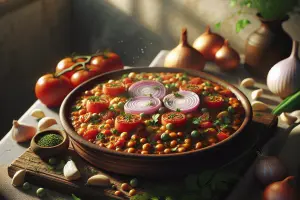

Getting Started with Making Biryani
I still remember the first time I truly tasted biryani—at a big family get-together a few years ago. Everyone kept raving about how tricky yet rewarding the dish was, and to be honest, I wasn’t sure if it’d live up to the hype. But after that first bite, I quickly learned biryani isn’t just a meal; it’s a beautiful blend of spices, textures, and aromas that come together with patience and care. What really caught my attention was how each region puts its own spin on it—some versions are richer, others pack more heat, but all carry a sense of tradition. If you’re anything like me—a curious cook or foodie eager to learn—you’ll appreciate this simple guide. It breaks down the basics of how to make biryani with practical tips, ingredient lists, and cooking tricks from my own kitchen experiments. You’ll find clear steps, healthier options, and answers to common questions, so you can make delicious biryani without feeling overwhelmed.
Why This Biryani Recipe Deserves Your Attention
Biryani isn’t just a dish—it’s a story that stretches across the Indian subcontinent, passed down through generations. It began as a royal feast but quickly found its way into everyday kitchens, becoming a beloved comfort food. Whether at a wedding, a festival, or a casual family dinner, biryani’s magic never fails. What I love most is the way it balances flavors and textures—the fragrant spices like cardamom and cloves fill the air, fluffy rice pairs perfectly with tender meat or veggies, and the layers of taste develop slowly as it cooks. After trying my hand at biryani multiple times and tweaking recipes along the way, I’ve come to see that making it at home is more than just following steps. It’s about appreciating each ingredient and technique until everything clicks. Plus, you don’t have to feel weighed down—going lighter with your choices makes it just as satisfying. This recipe is my way of keeping things simple while staying true to biryani’s authentic soul, inspired by my travels and cooking experiments. If you’re looking to sharpen your kitchen skills and soak in a bit of culture, learning biryani is a truly rewarding adventure.
What You’ll Need
When it comes to biryani, a few key ingredients make all the difference. You’ll want 2 cups of good-quality Basmati rice—those long, slender grains are what give biryani its signature fluffiness. For protein, I usually stick with 500 grams of chicken; it’s straightforward and cooks nicely, but lamb or even vegetables work beautifully if you prefer. Marinating the meat in a cup of plain yogurt is a must to keep it tender. The real magic, though, lies in the whole spices: 4 or 5 green cardamom pods, 3 cloves, a 2-inch cinnamon stick, a couple of bay leaves, and a teaspoon of cumin seeds. Onions, about two medium ones thinly sliced, plus 3-4 cloves of garlic and a thumb-sized piece of ginger paste, create the heart of the flavor base. Freshness comes from half a cup of chopped coriander and mint leaves, which also bring a burst of green that’s as nice to look at as it is to taste. If you want to make it a bit healthier, try swapping in brown basmati—it's more fibrous but takes a bit longer to cook. Low-fat yogurt and lean meat cuts help keep things light without sacrificing flavor. I always pick up my whole spices from the local market—there’s something about smelling their natural aroma up close that just feels right. I also try to get organic onions and herbs when I can. Each ingredient plays a part: yogurt tenderizes, while caramelized onions add a touch of sweet richness. Trust me, having good-quality ingredients here really makes a huge difference.
How to Cook Perfect Basmati Rice
Preparing the Rice
First things first, rinse 2 cups of Basmati rice under cold water, changing it a few times until the water runs almost clear. This step helps get rid of the extra starch that can make your rice sticky. Then, soak the rice in fresh cold water for about 30 minutes while you prep everything else. Once soaked, bring 4 cups of water to a boil in a large pot with a teaspoon of salt and some whole spices like cardamom pods, cloves, a cinnamon stick, and a bay leaf. Add the soaked rice and let it cook for about 5-6 minutes—you're aiming for the grains to be mostly cooked but still a bit firm when you bite into them. Drain the rice and set it aside for the next step.
Getting the Protein Ready
Grab a bowl and toss in 500 grams of chicken pieces along with 1 cup of yogurt, a tablespoon of ginger-garlic paste, a teaspoon of garam masala, half a teaspoon of turmeric, a teaspoon of chili powder, and salt to taste. Give it a good mix and let it sit for at least an hour—though if you can wait 4 to 6 hours, even better. This marinating step really makes a difference; it softens the chicken and lets all those spices sink in deeply.
Caramelizing Onions
While the chicken soaks in those flavors, heat up 3 tablespoons of oil in a heavy pan over medium heat. Toss in two medium onions, sliced thin, and take your time—sauté them gently for 15 to 20 minutes, stirring now and then until they turn a rich golden brown. This slow caramelizing develops a lovely sweetness that cuts through the spices later on. Just watch carefully—you want golden, not burnt, because bitterness would ruin the whole dish.
Layering the Biryani
When your onions have reached that perfect deep brown, set aside half for garnish later. Now, grab a heavy Dutch oven or a deep pot and spread half the parboiled rice on the bottom. Layer the marinated chicken over it, then cover everything with the remaining rice. Sprinkle the fried onions you saved, along with some chopped mint and coriander. Dot the top with a pinch of saffron soaked in a couple of tablespoons of warm milk—this adds a subtle aroma and color. Some cooks also like to drizzle a tablespoon of ghee now to give it an extra rich touch.
Dum Cooking
Once everything's in the pot, seal it tight with a lid or cover it with aluminum foil to lock in the steam. Then, let it cook on the lowest heat you can manage for about 25-30 minutes. This slow, gentle cooking—what some folks call the 'dum' method—lets all the flavors blend together perfectly and finishes the rice without turning it dry. Trust me, patience here really pays off; simple ingredients come alive in ways you wouldn't expect.
Tips for Perfect Cooking
How to Keep Your Rice from Getting Mushy
Getting the water ratio and cooking time just right is the key here. For 2 cups of rice, using about 4 cups of water to parboil does the trick, but keep a close eye on the clock. The biggest mistake I see—and have made myself—is overcooking at this stage, which turns the biryani into a mushy mess. Timing really makes all the difference.
Whole Spices or Ground?
When it comes to spices, I’m all about using whole ones for biryani. They release their fragrance slowly while cooking, building that deep, layered flavor. Ground spices, on the other hand, can easily take over if you’re not careful with the quantities. I like to add just a pinch of ground spice in the marinade for a little extra kick, but the bulk of the flavor? That’s all from those whole spices.
Getting Your Spices Just Right
When you're marinating your protein, make sure to give the spices a good mix so they coat everything evenly. And when it's time to layer your biryani, try to sprinkle the spices and herbs uniformly—that way, every bite carries a little bit of all those delicious flavors instead of hitting you with a random spice bomb.
Equipment Choices
I’ve tried making biryani using a few different methods: the trusty stove-top Dutch oven dum, an oven-baked covered dish, and even a pressure cooker. The stove-top dum keeps the traditional feel and flavor, but if you want to set it and forget it, baking covered at 180°C for about 30-35 minutes does the trick. The pressure cooker is the fastest route, but honestly, you lose some of that rich aroma and depth you get from slower cooking.
Shortcuts
If you’re pressed for time, don’t worry—you can swap out caramelized onions for fried shallots or even a quick onion paste. The taste won’t be exactly the same, but it still adds a nice touch. Also, if you’re not keen on handling raw marinated meat, using pre-cooked chicken—whether roasted or boiled—works fine, though it won’t quite have that rich depth you get from cooking it fresh in the dish.
Mix It Up: Variations and Swaps
Protein Choices
Chicken and lamb are the go-to choices, but I’ve had great luck making veggie biryanis using cauliflower, peas, carrots, and beans—they hold up well and soak up the spices beautifully. If you’re near the coast, shrimp biryani is a local favorite, with a different cooking time and texture you’ll want to keep an eye on. Just tweak your timing depending on what you use, and you’ll be rewarded with something tasty every time.
Gluten-Free and Veggie-Friendly Options
If you’re aiming for gluten-free biryani, just steer clear of pre-packaged masalas that might sneak in some additives. For those who don’t eat meat or dairy, swapping out traditional yogurt with cashew or coconut versions works like a charm. And when it comes to the protein part, tofu or jackfruit can step in to give you that meaty bite without the meat. I’ve tried both, and it’s surprisingly satisfying!
Spice Levels and Local Flavors That Stand Out
If you prefer softer flavors, dial down the chili powder and garam masala a bit. Different regions put their own spin on biryani: Hyderabadi uses generous saffron and layers the meat and rice carefully, while Lucknowi biryani gets a floral touch with rose water and kewra essence. Kolkata’s version is quite unique too, often including boiled eggs and potatoes tucked into the layers.
Ingredient Swaps
For a healthier twist, brown basmati or quinoa are great options, though they cook differently—quinoa, for example, takes just about 12 minutes to be ready. Swapping yogurt for coconut milk will give the dish a creamier texture and a different flavor, so keep in mind these swaps will definitely change how the biryani tastes and feels in your mouth.
How to Serve and What to Pair
Traditional Sides
The classic raita is simple but effective—plain yogurt mixed with chopped cucumber, fresh mint, and just a pinch of cumin. It cools down the spices beautifully. I also like having boiled eggs and sliced onions tossed with a squeeze of lemon on the side. And don’t skip the pickles—mango or lime kind—they bring a sharp, tangy kick that perfectly offsets the rich, flavorful biryani.
Drinks and Desserts
When I dig into a plate of biryani, I usually reach for a cold glass of salted buttermilk or maybe a lightly spiced lemonade. Both are fantastic at cutting through the layers of seasoning and heat. For dessert, I keep it simple—a bowl of creamy kheer or some fresh fruit to keep things light and refreshing after that heavy main course.
Presentation Tips
When it's time to serve, I like presenting the biryani in a big bowl or a traditional handi. I top it off with any reserved fried onions, a handful of chopped coriander, and some toasted nuts like cashews or almonds for a nice crunch. If you’re having vegetable biryani, a few pomegranate seeds scattered on top not only brighten up the look but add a lovely tartness that’s hard to beat.
Festive Centerpiece
Biryani is always a showstopper at any celebration, thanks to its layers of flavor and tempting aromas. Serving it in neat layers or piling it generously on a big platter makes it impossible for anyone to resist diving in.
Mistakes to Watch Out For
When Rice Gets Mushy but Meat Stays Tough
I’ve learned the hard way that rushing rice cooking can turn those fluffy grains into a sticky mess, or that jumping into the dum before the meat is tender just ruins the whole dish. Make sure your protein is nicely marinated and cooked halfway through before you start the final steam—patience really pays off here.
Water Balance
Getting the water amount right during parboiling and dum steaming is trickier than it seems. Dump in too much water and your rice ends up soggy; too little, and it turns dry and chewy. The secret? Measure carefully, and pay attention to how your stove heats—every burner is a little different.
Don’t Skip the Caramelized Onions or Layers
I once rushed through the process and skipped slow-frying the onions, thinking it wouldn’t make much difference. That was a rookie mistake—the dish ended up flat, missing that lovely sweetness and deep golden color you expect. Taking the time to build those flavor layers really makes a difference, so don’t cut corners here.
Forgetting to Let Biryani Rest
One step I’ve learned not to skip is letting the biryani sit, covered, for 10 to 15 minutes once it’s off the heat. This resting time lets the steam evenly settle the flavors and helps the rice firm up perfectly. If you dig in right away, you’ll notice some grains clump while others stay dry—a simple pause can save the whole dish.
Spotting and Fixing Common Mistakes
If your rice turns out mushy, try cutting the parboil time by a minute or two next time, or use a little less water. On the other hand, if the meat feels dry, give it more time to marinate, or add a tablespoon or two of oil or ghee to keep it juicy.
Tips for Storing and Prepping Meals Ahead
Cooling Down and Storing Your Biryani
To cool your biryani quickly, spread it out on a large tray—this helps it cool evenly and fast. Make sure to get it into the fridge within an hour to keep it fresh and avoid any weird smells. When storing, airtight containers are your best friend; they’ll keep your biryani good for up to three days.
Reheating
When reheating biryani, cover it either in the microwave or on the stove, adding a splash of water or broth to stop it from drying out. Stir gently—no need to mix it up like a curry—so you keep those beautiful layers intact.
Making Ahead
You can actually get a jumpstart by prepping the marinade and frying the onions a day before—it saves a lot of time on the big day. Also, parboiling the rice a few hours ahead makes the final assembly much smoother. Freshly cooked biryani tastes best, but if you have leftovers, they reheat nicely without losing too much flavor.
Freezing
Biryani freezes reasonably well, though the texture might get a bit softer after thawing. To keep things simple, freeze it in airtight containers, portioned out, and thaw it slowly overnight in the fridge before warming it up again.
Dietary Tips and Alternatives
Cooking with Less Oil and Fat
I've found that cutting back on oil while cooking doesn’t mean sacrificing flavor. Swapping fatty cuts of meat for leaner ones—or better yet, some plant-based proteins—makes a big difference. And when a recipe calls for creamy yogurt, I reach for the low-fat version; it still has that smooth texture, but without the extra calories weighing me down.
Easy Vegetarian and Vegan Swaps
I found swapping out dairy for coconut or cashew yogurt really keeps the flavors rich without losing that creamy texture. For proteins, I love using tofu, jackfruit, or mushrooms—they soak up spices beautifully. Instead of ghee, I stick to vegetable oils or vegan butter, which works just as well and keeps things light.
Gluten-Free Nature
Most traditional ingredients here are naturally gluten-free, which is great if you're avoiding gluten. Just watch out for packaged spice mixes—they often sneak in fillers or additives that might contain gluten. I usually make my own spice blends to keep things safe and fresh.
Adjusting the Spice Levels
If you're not a fan of spicy food or have a sensitive palate, it’s best to cut back on chili powders and heavy spices. Instead, try fresh herbs like coriander and mint—they add a bright, fresh flavor without packing any heat.
Sodium Reduction
Keep an eye on how much salt you add and try balancing it out with a splash of lemon juice or a dollop of yogurt. These tangy touches brighten up the dish and keep the flavors lively.
FAQs
Wondering how to make biryani that isn’t overpowering? Start by halving the chili powder and garam masala you normally use. Swap some ground spices for whole ones like cinnamon sticks and cardamom pods—they add aroma without turning up the heat. Taste as you go, and adjust the spices little by little until it feels just right.
Can you use an Instant Pot or pressure cooker for biryani? Absolutely, they speed things up and get your rice and meat cooked in no time. But honestly, nothing beats the traditional slow layering and dum cooking on a stove or in the oven when it comes to developing those rich, well-rounded flavors.
What’s the best rice for that perfect biryani texture? Long-grain Basmati is your best bet. It stays fluffy and separate, soaking up all those spices without turning into a sticky mess, which is exactly what you want.
How long should you marinate your meat or veggies for the best flavor? At least an hour is good, but if you can set it aside for 4 to 6 hours—or even overnight—that’s when everything really gets tender and packed with flavor.
Can you make biryani vegan or gluten-free? Definitely! Swap in plant-based yogurt and use vegan oils or fats, and you’re good to go. Plus, biryani is naturally gluten-free as long as you steer clear of spice mixes that sneak in additives containing gluten.
How do you tell when biryani is done just right? The rice should be tender but not overcooked or mushy, the meat soft and fully cooked through, and the wonderful aroma evenly spread throughout the dish. Letting it rest off the heat for a bit really helps the flavors settle and the texture come together nicely.
Can you make biryani ahead of time and reheat it without it turning dry or bland? For sure. You can prep parts like fried onions and marinated meat in advance. When it’s time to reheat, just do it gently with a splash of water or broth to keep everything moist and prevent dryness.
Conclusion
Learning to make biryani at home is a rewarding adventure that mixes patience with a little trial and error. Getting the spices, textures, and aromas just right can be tricky, but that’s part of what makes it so satisfying. For me, biryani isn’t just a meal—it’s a way to bring people together around the table. Don’t be afraid to play around with your spice blends and layering methods until you find your signature flavor. No two batches will be identical, and that’s where the fun lies. If you prefer straightforward, down-to-earth recipes without the fuss, this guide should set you up nicely. Give it a go, tweak as you go, and enjoy every step. And hey, if you make a batch, I’d love to see your photos or hear how it turned out—there’s something special about sharing those kitchen moments. Don’t forget to subscribe for more recipe ideas and follow along for more cooking experiments!
If you’re curious to dig deeper, you might like our post on “Mastering Spice Blends for Indian Cooking.” For something on the lighter side, check out “Healthy Rice Dishes” for some tasty and nutritious ideas.
If this topic interests you, you may also find this useful: https://www.cravediary.com/blog/easy-salad-recipes-how-to-make-fresh-tasty-salads