
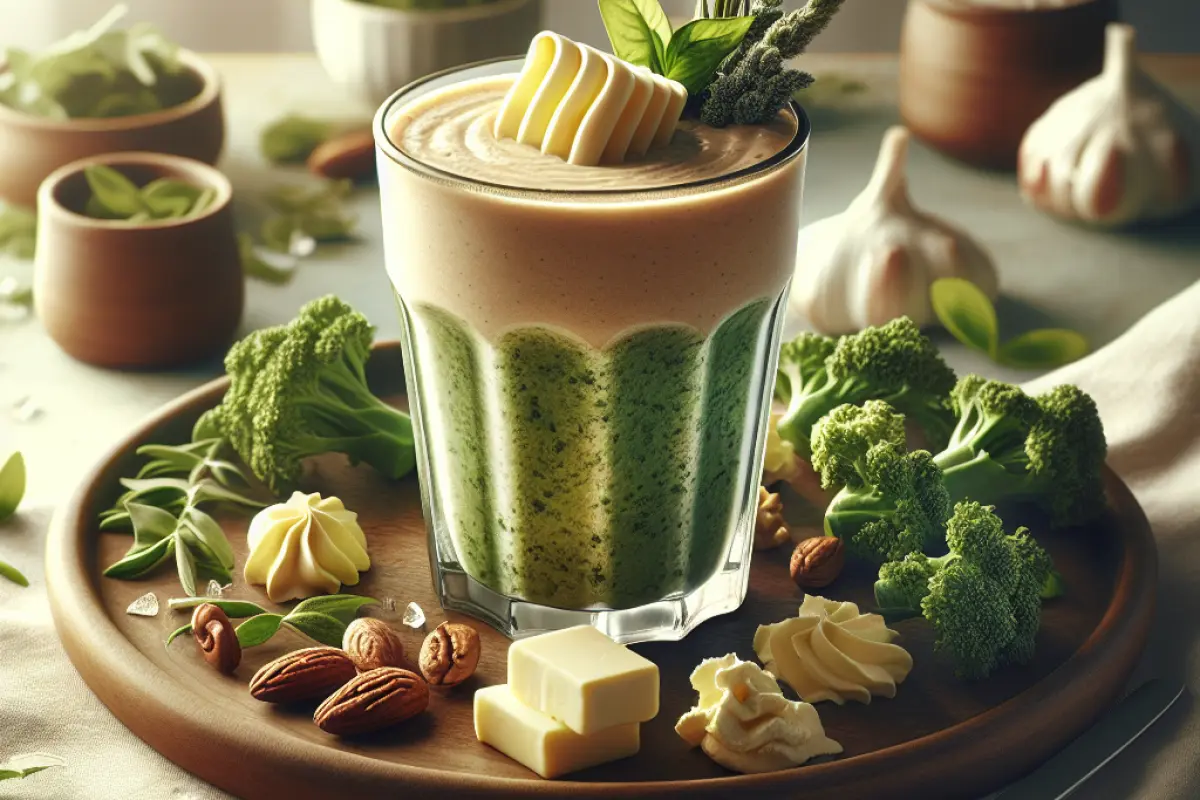
The Ultimate Protein Smoothie Recipe: Easy, Tasty, and Packed with Goodness
Introduction
I started drinking protein smoothies mostly because I needed something quick and reliable for my hectic mornings. I wanted a breakfast that was not only fast but filling and nourishing enough to keep me going without feeling like cardboard in my mouth. Over the years, I experimented with countless combinations until I found a go-to recipe that saved me about 15-20 minutes each morning — and gave me a solid boost for work or workouts. This guide shares that recipe, along with tips and tweaks I've picked up along the way, to help you whip up smoothies that are both delicious and packed with nutrients. Whether you’re just looking for new breakfast ideas, want something easy to cook at home, or simply want to add more protein to your day, you’ll find plenty of helpful advice here.
Getting to Know Protein Smoothies
So, what’s a protein smoothie exactly? Think of it as a blended drink that mixes together a source of protein, some liquid, and fruits or veggies — sometimes with a bit of healthy fat or a few extras thrown in. Over the last ten years, they’ve become a favorite breakfast quick-fix or post-gym treat because they’re easy to make, easy to carry, and loaded with nutrients all in one glass. I still remember swapping out my usual pastry for a protein smoothie one morning — I was genuinely surprised at how filling it was. Unlike many store-bought shakes packed with sugar and weird ingredients, homemade smoothies let you pick what goes in. That means less junk, more real food, and fuel that actually sticks with you. People drink these not just to help muscles recover after workouts, but also to keep their energy steady through the day or just for a healthy snack when hunger strikes.
Why This Recipe Matters
Protein plays a bigger role than most of us think — not just for gym buffs, but for feeling full throughout the day, boosting metabolism, and keeping muscles healthy. Honestly, I’ve found that a well-made protein smoothie can hit the right notes in flavor, texture, and nutrition better than expected. After experimenting with recipes, I settled on a combo that packs about 25-30 grams of protein, some healthy fats, fiber-rich fruits, and just a touch of added sugar. It keeps me energized and satisfied for hours. Plus, making your own smoothie at home beats buying ready-made ones in both cost and quality. For example, a 500g tub of good whey protein costs around ₹1200 and lasts weeks, whereas store-bought shakes typically run ₹300-₹500 each. What really surprised me was how easy it is to adapt this basic recipe to different flavors without losing its smooth, creamy texture or nutritional punch. Just a heads-up though — it can take a bit of time to prep fresh ingredients every day, and not all protein powders blend equally well.
What You’ll Need
Here’s a simple list of ingredients I use every time:
- Protein powder (choose whey for dairy, or pea/chickpea-based for vegan options): 30g scoop
- Liquid base: 250ml unsweetened almond milk or low-fat milk; water can work but less creamy
- Fruits: 1 medium ripe banana (fresh or frozen), plus 100g mixed berries (frozen preferred for texture)
- Healthy fats: 1 tablespoon natural peanut or almond butter, or 1 tablespoon chia seeds
- Optional sweetener: 1 teaspoon honey or maple syrup (depending on protein powder sweetness)
- Extras: 1 handful (30g) spinach or kale — these boost nutrients without changing flavor much
- Oats: 30g rolled oats for added fiber and thickness
When it comes to quality, it really makes a difference. I've tested out both organic and regular fruits — organic bananas and berries do have less pesticide residue, but they’re usually 20-30% pricier. Frozen fruits are a smart option too; you can grab a 500g bag for around ₹200-300, and they last much longer, which is great for those busy days. As for protein powders, there’s a huge range. The pricier ones, around ₹2000 for 750g, tend to have cleaner ingredients and a nicer taste. The budget options under ₹1000 sometimes have this chalky or grainy feel that’s hard to get past. The best powders balance protein, carbs, and fats so well that the shake ends up smooth, creamy, naturally sweet, and filling enough that you won’t be hungry for a while.
How to Cook It Step by Step
Let me guide you through the blending process I always use — it’s straightforward and gives great results every time:
- Add 250ml of your chosen liquid first to the blender jug. I use a high-speed NutriBullet or Vitamix.
- Add 30g rolled oats and 1 tablespoon peanut butter or seeds. This layering helps the blender blades move smoothly.
- Next, add your protein powder — around a 30g scoop. I gently tap it in to avoid clumps.
- Then, drop in 1 medium banana and 100g frozen mixed berries. Frozen fruits help chill the smoothie without watering it down.
- Add your handful of spinach or kale if using.
- Optional: drizzle 1 teaspoon honey or maple syrup over everything.
- Blend initially on low speed for about 15 seconds to break apart large chunks.
- Then increase to high speed and blend for 30-45 seconds until smooth. The total blending time is about 1 minute depending on your machine’s power.
- Check consistency. If it’s too thick, add 50ml more liquid and pulse again briefly. If too thin, add more oats or frozen fruit.
- Pour into a glass and serve immediately.
Getting the texture just right is key — a smoothie shouldn’t be like thick cement or thin juice. I noticed that tossing in oats first and blending in stages really helped make it smoother and creamier. When you dump everything in at once, you sometimes end up with annoying little clumps or powdery bits that won’t fully mix.
Handy Cooking Tips
Making a great protein smoothie really comes down to picking the right ingredients and mastering your blending technique.
When picking a protein powder, think about what matters most to you — whether it’s taste, how it mixes, or the ingredients. Choose one that fits your personal preferences and lifestyle.
- Whey protein isolate: fast-absorbing, best post-workout, but dairy-based
- Pea or hemp protein: good for vegan diets, sometimes grittier texture
- Blend of plant proteins: better taste and balanced amino acid profile
Getting the sweetness just right can be a bit of a balancing act. Many store-bought protein powders already have sweeteners, so if you add honey on top, it might get too sugary. My tip? Taste your shake before adding anything extra. Plus, using ripe bananas not only adds natural sweetness but also makes your shake creamier, which often means you don’t need anything else.
The order you add your ingredients makes a bigger difference than you’d think. Start with liquids, then toss in oats, protein powder, fruit, and finally spinach or seeds. This way, your blender won’t get stuck. If you’re using tougher greens like kale, pulsing the blender every now and then helps break everything down nicely without overworking your machine.
After trying out more than ten different blender combos over a few months, I can confidently say that spending a bit more on a good blender really pays off. Cheaper models under ₹2000 often trip up when dealing with frozen fruit and seeds — they take longer to blend and heat up the mixture, which isn't great. On the other hand, a reliable Vitamix or Ninja, priced around ₹15,000 to ₹20,000, makes blending smooth and quick with almost no effort.
Variations and Substitutions Made Easy
You might be wondering just how flexible this recipe is. Turns out, it’s pretty forgiving! There’s plenty of room to adjust ingredients without losing the essence of the dish.
Here are a few swaps I’ve tried that actually work really well:
- Bananas for avocado (half an avocado adds creaminess without sweetness but ups fat content)
- Whey protein for a vegan blend like brown rice plus pea protein — texture varies but workable
- Almond milk swapped for coconut water or oat milk if you want lighter or distinct flavors
- Adding spices like 1/2 teaspoon cinnamon or turmeric powder for flavor and antioxidant benefits
- Boosting with 1 tablespoon ground flaxseeds or pumpkin seeds for omega-3s and crunch
These tweaks can change the flavor, texture, and nutrition depending on what you're aiming for or what you have on hand. For instance, adding avocado creates a creamy, smooth texture but adds around 120 calories for just half a fruit — so not the best choice if you’re watching your calories.
Serving Tips and Pairings
If you're wondering the best way to enjoy this smoothie, let me share a quick tip.
- Morning breakfast replacement with a slice of whole grain toast or poached egg gives you carbs, protein, and fats to fuel a busy day.
- Post-workout snack to promote muscle repair, ideally consumed within 30-45 minutes of exercise.
- Mid-afternoon energy lift when you need something quick but satisfying.
This smoothie is at its best right after you make it — nice and chilled. If it sits around for more than half an hour, it'll start to separate a bit. No worries though, just give it a good stir before sipping if you made it ahead of time.
Want to take it up a notch? A small handful of roasted nuts or a dollop of creamy Greek yogurt on the side pairs perfectly with the smoothie’s fresh flavors.
If you’re interested in this topic, you might also like my tips for quick and healthy breakfasts that actually fit into busy mornings.
Mistakes I Wish I’d Avoided
There are a few pitfalls that caught me off guard along the way. Here’s what I picked up from those moments:
- Too thick or too thin smoothies: Adding more frozen fruit or oats thickens, while more liquid thins. Experiment gradually.
- Too much protein powder: Overpowering chalky or bitter taste is common. Use 25-30g per serving max unless advised otherwise.
- Too sweet or sugary: Remember that fruit and some powders contain sugar. Taste first, add sweetener cautiously.
- Neglecting ingredient quality: Using old spinach or bland bananas dulls the final flavor and nutrition. Fresh or well-frozen ingredients matter.
- Ignoring drink balance: Too much protein without fats or fiber may leave you hungry soon after.
Tips for Storing and Prepping Your Smoothies
I know it's tempting to blend up a big batch and save some for later, but from my experience, smoothies are best fresh. I tried storing mine in airtight, 500ml BPA-free bottles in the fridge, and honestly, they start to lose their flavor and get a bit watery after about 12 hours. If you do keep them longer, expect a noticeable drop in taste and texture.
One trick I've found handy is prepping smoothie packs ahead of time. Just toss your measured fruits, oats, and greens into individual freezer bags, then pop them in the freezer. When you're ready, throw the whole bag into the blender with your liquid. Just a heads-up — don't freeze the blended smoothie itself; once thawed, it turns out grainy and way less appetizing. Keeping the ingredients frozen but unblended keeps everything fresh and tasty.
To keep your smoothies fresh and bright, I recommend using airtight glass or plastic containers — trust me, it makes a difference in preventing that dull, oxidized taste. And don’t forget to rinse your blender jug right away; I learned the hard way how stubborn berry and spinach stains can be if you let them sit.
Adjusting the Recipe for Different Diets
One of the great things about this recipe is how flexible it is — you can easily tweak it to fit just about any diet without losing flavor or texture.
- Vegan: Use plant-based protein powders, almond or oat milk instead of dairy.
- Dairy-free: Swap cow’s milk with nut or seed milk.
- Gluten-free: Choose certified gluten-free oats and powders.
- Low-carb: Reduce the banana and oats, add avocado and seeds instead.
- Allergies: Replace peanut butter with sunflower seed butter or coconut oil.
I always make it a point to check protein powder labels closely — some sneak in fillers, sweeteners, or allergens you might want to steer clear of. I’ve noticed that some budget options hide added sugars under strange names, which not only messes with the taste but also adds extra calories you might not expect.
FAQs
Can I use fresh vs. frozen fruit? Absolutely! Frozen fruit chills your smoothie and makes it thicker, while fresh fruit gives you a lighter, more refreshing texture. Frozen lasts longer and is super handy when you don’t have fresh options on hand.
What if I don’t have a blender? Honestly, a blender really makes a difference when mixing powders and breaking down fibrous ingredients. Without one, you’re left with lumpy, uneven textures that aren’t nearly as enjoyable to drink. If you love smoothies, it’s worth investing in a decent blender.
When it comes to protein in a smoothie, aiming for around 25 to 30 grams per serving usually does the trick, especially if you're focused on muscle recovery or maintenance. Of course, you can tweak this based on your overall daily protein goals, but hitting this range generally keeps you fueled and satisfied.
Smoothies can absolutely stand in for a meal — just make sure they include a good balance of carbs, protein, fat, and some fiber. Without all those parts, you'll probably find yourself hungry again pretty quickly, which nobody wants.
If your smoothie tastes too sweet, try cutting back on bananas and skip any extra sweeteners. Adding some greens like spinach or cucumber can help even out the flavor and keep things fresh without overloading on sugar.
Can I toss veggies into the smoothie? Absolutely! Spinach, kale, and cucumber are my go-to additions — they blend smoothly and sneak in some extra nutrients without messing with the taste.
Is it okay to drink protein smoothies every day? It can be, as long as you mix it up and balance your meals. But don’t forget, whole foods should still make up the bulk of what you eat.
Conclusion
Protein smoothies are a great go-to: easy, healthy, and flexible. Start with this recipe, then play around with different ingredients and textures to find what works best for you. I’ve found tweaking the flavors keeps things interesting and makes it fit right into my daily routine. If you prefer straightforward, no-nonsense recipes over fancy gimmicks, give this one a shot — adjust it to your liking and enjoy the simple boost it gives you.
Want more tasty and healthy recipe ideas? Hit subscribe and I’ll keep them coming. Don’t forget to follow along for the latest updates, and share your own smoothie experiments on social — I'd love to see what you’re blending up!
Hungry for more energizing recipes? Take a peek at my post on High-Protein Snacks to Keep You Going Throughout the Day.
If this topic interests you, you may also find this useful: https://www.cravediary.com/blog/fresh-easy-best-salad-recipe-for-every-occasion