
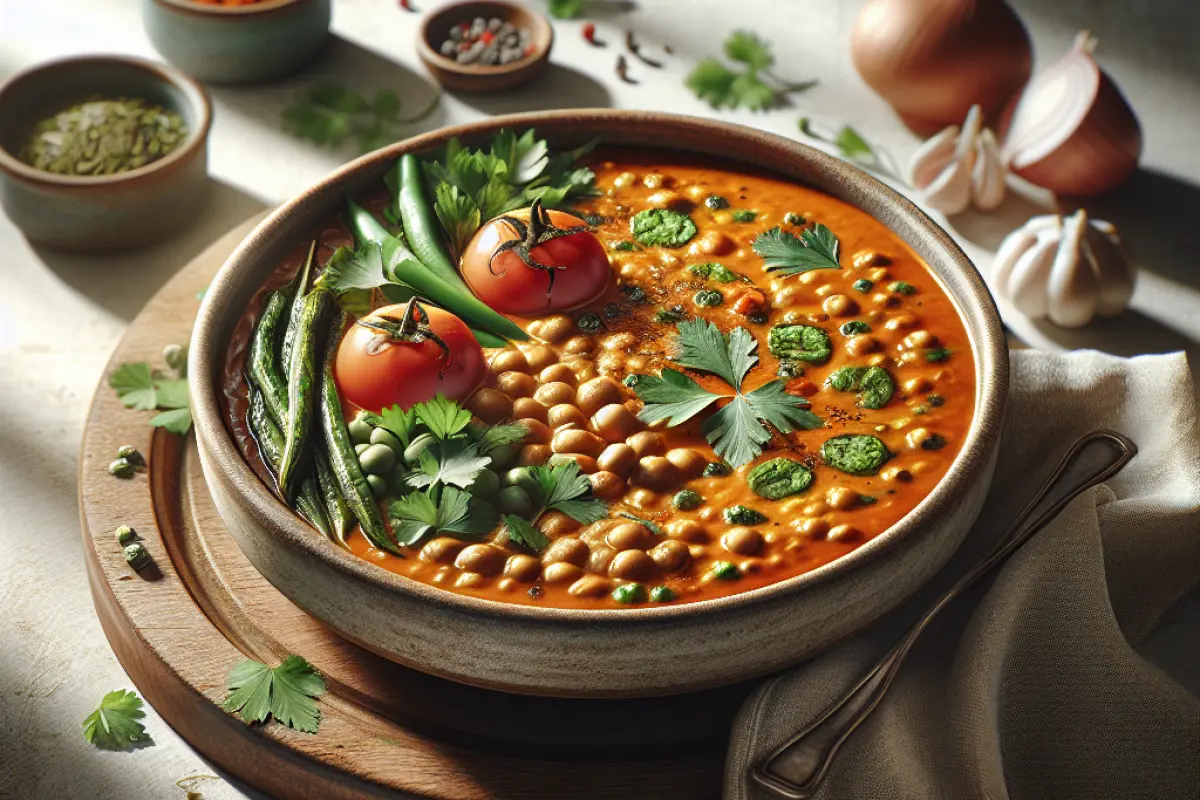
Getting Started with the Best Dal Makhani Recipe
I still clearly remember the first time I tried dal makhani at a friend’s place in Delhi. It was comfort food at its finest—rich, creamy, and deeply satisfying without feeling heavy. Since then, I’ve tasted countless versions—from home kitchens in Punjab to bustling Mumbai restaurants, and even spots abroad. What really sets dal makhani apart is the slow-cooked richness that you don't get in other lentil dishes. The way the lentils simmer gently, the spices slowly meld, and the final touch of butter and cream creates a velvety but hearty dish is something special. This recipe is the result of my own kitchen experiments and real cooking moments, designed to help you whip up an authentic, tasty dal makhani with no fuss. Whether you’re a seasoned cook or just love good food, I’ll guide you through every step to make sure you get it just right.
Why This Dal Makhani Recipe Stands Out
Dal makhani isn’t just any lentil curry—it’s a beloved staple in North Indian kitchens, especially when there’s something special to celebrate. I’ve seen it served at everything from lively weddings to cozy family festivals, and it’s become a favorite even beyond India for folks craving that rich, comforting taste. What sets dal makhani apart is its creamy, buttery texture, thanks to hours of slow cooking whole black gram lentils (sabut urad dal) with red kidney beans (rajma), then finishing it off with a generous splash of butter and cream. You won’t get that deep, slow-cooked flavor from the rushed versions at most restaurants or takeout spots.
Making dal makhani at home definitely has its perks. You can set the spice level just how you like it, avoiding that sometimes overly heavy feel you get with jarred sauces or restaurant dishes. Plus, nothing beats the freshness of homemade—no preservatives, just pure ingredients. I find it’s the perfect mix of hearty and healthy; those lentils and beans pack a good dose of protein and fiber, so it feels indulgent but not guilty. After spending plenty of time in Punjabi homes and tweaking my own recipe, I’ve found a way that’s both straightforward and foolproof.
What You’ll Need
To start making this dal makhani, you'll need about 1 cup (200g) of whole black gram (sabut urad dal) and a 1/4 cup (50g) of red kidney beans (rajma). These two pulses are what give the dish its classic, hearty texture and deep flavor. Grab 3 medium-sized fresh tomatoes—around 300g in total—but if fresh ones aren’t handy, canned tomatoes will do. Just trust me, fresh really makes a difference in taste. For the rich, creamy finish, you’ll want 3 tablespoons of unsalted butter and roughly 100 ml of fresh cream. It’s that simple combination that makes dal makhani truly comforting.
Don’t forget a few cloves of garlic—4 or 5 should do—a small piece of ginger (about 15g), and 2 green chilies to give that gentle heat underneath. The spice lineup includes 1 teaspoon of cumin seeds, 1 teaspoon garam masala, half a teaspoon turmeric powder, 1 teaspoon coriander powder, and just a pinch of red chili powder or paprika to boost color and a bit of warmth. Salt’s important too—usually about 1 to 1.5 teaspoons—to bring all those flavors into balance.
If you’re shopping for spices outside of India, garam masala might be a bit tricky to find, but most Indian markets carry it. You can also mix your own using ground cinnamon, cloves, cardamom, and black pepper—something I often do when I’m away from home. One tip that really makes a difference: soak your lentils and beans overnight, between 8 to 10 hours. This softens them up and frankly cuts down on cooking time considerably. This recipe comfortably serves around 4, but feel free to double it or go smaller if you want.
How to Cook the Lentils and Beans
Let’s dive into cooking. Start by giving 1 cup of whole black gram and 1/4 cup of red kidney beans a good rinse under cold water until the water runs clear. Then, soak them in about 3 cups of water for at least 8 to 10 hours—or better yet, overnight. When they’re ready, drain them and give them one more rinse.
If you’re using a pressure cooker, toss the soaked lentils and beans in with 3 cups of fresh water. Cook them on medium heat for roughly 15 minutes—that’s around 3 whistles if you’re working with a traditional Indian cooker. Keep an eye on it; you want them tender but not mushy. If you don’t have a pressure cooker, no worries. Just let them simmer gently in a heavy pot or Dutch oven for about 1.5 to 2 hours, adding a bit of water here and there until they soften up.
While the dal is simmering away, it’s the perfect time to get your masala base going. Heat 2 tablespoons of butter in a large pan over medium heat until it’s melted and shimmering. Toss in a teaspoon of cumin seeds and watch them start to pop—it's a small sound that promises big flavor. Then, add 4 or 5 crushed garlic cloves, a tablespoon of freshly grated ginger, and two finely chopped green chilies. Stir everything around for about two minutes until the kitchen smells amazing, but be careful not to let the garlic brown.
Next up, chuck in 3 finely chopped tomatoes and let them cook down for about 10 to 12 minutes. You’ll notice the tomatoes breaking down and the oil starting to separate—this is exactly what you want. Now sprinkle in a teaspoon of coriander powder, half a teaspoon of turmeric, a teaspoon of garam masala, half a teaspoon of red chili powder, and salt to taste. Give everything a good stir and let those spices mingle on medium heat for another 3 to 4 minutes. This slow cooking really brings out the deep, comforting flavors.
Time to bring it all together—add the cooked lentils and beans straight into your spicy masala mix. Stir it all nicely, then pour in about a cup to a cup and a half of hot water, aiming for a thick but smooth texture. Let it simmer gently for 20 to 25 minutes, giving it a good stir every 5 minutes or so to stop anything from sticking or scorching on the bottom. If it starts to get too thick, just add a splash of water here and there until it’s just right.
Once the dal has thickened to a creamy, comforting consistency, go ahead and turn off the heat. Stir in 3 tablespoons of butter and about 100ml of fresh cream—do this gently to keep that rich texture. Give it a quick taste and tweak the salt or spices if it needs a little more punch. The best part? Letting it sit for at least 10 minutes. This pause lets all those flavors blend and settle, making every spoonful more delicious than the last.
Handy Cooking Tips
I know soaking lentils overnight can feel like it slows things down, but trust me, it’s worth it. Softened lentils cook much faster and break down nicely, giving you that silky smooth dal without spending hours by the stove. If you’re in a hurry, a pressure cooker is a game-changer—it chops off about an hour of cooking time. But if you’re not pressed for time, slow-cooking on low heat really brings out deeper flavors, as the lentils have more time to soak up the spices. I love both approaches depending on my mood and schedule.
Balancing the spices is a bit of an art. Too much garam masala can easily drown out the delicate flavor of urad dal, but too little leaves the dish feeling flat. I always start light—you can add more later if needed. The tempering, or tadka, is where the magic happens (or sometimes flops). Warming the butter and spices just right is key; medium heat works best to keep cumin seeds and garlic from burning, which would add a bitter edge. And a little tip I’ve picked up: don’t throw in the cream too soon, or it’ll separate and curdle if cooked too long.
When it comes to texture, I look for lentils that’ve softened until they almost dissolve into the sauce, making it thick but still easy to pour—kind of like a hearty stew. Patience is crucial here; I stir every few minutes to keep the dal from sticking and burning at the bottom. Trust me, it’s worth taking your time—the flavors deepen in a way you just can’t rush.
Switching Things Up
If you're looking to keep things dairy-free or vegan, simply swap the butter for about two tablespoons of coconut oil or a mild vegetable oil. Instead of cream, try 100ml of coconut cream or cashew cream. I’ve used cashew cream before—it’s a little sweeter than the dairy version but mixes really well with the spices, giving the dish a nice, smooth finish.
Can’t find whole black gram? No worries—split urad dal works fine, just keep in mind it cooks faster, so check it often. For the kidney beans, black beans or even chickpeas make decent substitutes, though the texture and flavor will definitely be different. If you want to play around with spices, adding smoked paprika brings a subtle warmth, and sprinkling dried fenugreek leaves (kasuri methi) towards the end gives a gentle tang that I really enjoyed.
To make the dish a bit lighter, cut the butter down to a tablespoon and use half the cream, topping it off with some milk or yogurt. This makes it less rich but keeps that creamy feel going. I’ve tried a version like this myself—it was still tasty, but I did miss some of the deep, comforting richness of the original recipe.
Best Ways to Enjoy Dal Makhani
Dal makhani really shines when paired with soft, buttery naan—freshly pulled from the tandoor or cooked in a hot pan. If you’re cutting back on carbs, a simple bowl of steamed basmati rice or jeera rice with a hint of cumin adds a lovely, aromatic touch to the creamy lentils. For the perfect finishing touch, I like to drizzle a bit of fresh cream, sprinkle chopped coriander, and sometimes add a little ghee on top—that extra richness is pure comfort on a plate.
When it comes to sides, cucumber raita is my go-to—a refreshing mix of diced cucumber, plain yogurt, a pinch of salt, and some roasted cumin powder that cuts through the richness perfectly. I also like to serve a simple salad with chopped tomatoes, onions, and lemon wedges for a bit of brightness. This combo works great whether you're hosting a festive dinner or just having a no-fuss weeknight meal. Plus, dal makhani reheats like a dream, so it’s a fantastic make-ahead lunch option too.
Mistakes I Learned the Hard Way
One of my biggest slip-ups was overcooking the lentils until they turned into a mushy mess with no bite left. On the flip side, undercooking leaves them tough and grainy, which just doesn’t sit right. My best advice? Check the lentils halfway through cooking to get that perfect tender texture without losing shape.
Adding cream too early can be a disaster—it tends to split and look curdled while cooking. I learned this the hard way when a batch turned out grainy because I stirred cream in too soon. The trick is to wait until after you’ve turned off the heat or add it right at the end. That way, your dal stays smooth and velvety every time.
One of the biggest mistakes I see when cooking tadka is burning it. If your garlic darkens too quickly or the cumin seeds sizzle until black, the whole dish ends up tasting bitter. The trick is to keep the heat at medium and never take your eyes off the pan. Also, cooking with ghee or clarified butter helps prevent those burnt bits and adds a nice depth of flavor.
Using old spices can really weaken the flavor of your dish. I always make it a point to get fresh garam masala and whole spices every few weeks. Another habit I’ve picked up is tasting the dish at different stages of cooking—once after the spices have cooked through the masala and again after the dal has simmered. This way, you can adjust the salt or acidity to really suit your taste buds.
Smart Storage and Meal Prep Tips
Dal makhani keeps well for 3 to 4 days in the fridge when stored in airtight containers. It tends to thicken as it sits, so when you reheat it gently on low heat, just stir in a splash of water or cream to bring back that smooth, creamy consistency. You can freeze it for up to a month, but be aware it might lose a bit of its original texture and subtle flavors after thawing.
When thawing frozen dal makhani, I always recommend letting it defrost slowly overnight in the fridge rather than zapping it in the microwave. This method keeps it nice and creamy without the sauce splitting. Cooking a big batch at once is a real time-saver, and portioning it out into single servings means you’re all set for quick, hassle-free meals later.
Instead of just sticking to rice or naan, try wrapping your leftover dal makhani with some fresh veggies for a quick and tasty lunch. I discovered this trick during a hectic week—it’s a simple way to keep meals interesting without spending extra time in the kitchen. Plus, those wraps travel well if you’re on the go.
Adjusting the Recipe for Different Diets
If you're steering clear of dairy or following a vegan lifestyle, swapping butter for coconut oil and using coconut or cashew cream instead of traditional cream works well. The flavor changes a bit, but you still get that rich, creamy texture. Plus, this dish is naturally gluten-free unless you serve it with bread made from wheat.
Looking for a lighter version? Try cutting the butter down to a tablespoon and halving the cream, replacing some of it with low-fat yogurt or unsweetened plant milk. Just a heads-up: if you add yogurt, you’ll need to temper it carefully so it doesn’t curdle. And if spicy food isn’t your thing, feel free to dial down the chili powder and garam masala or skip the green chilies altogether for a milder taste.
If you’re allergic to nuts, skip the nut-based cream alternatives and go for coconut cream instead—it’s a great substitute. Keep in mind, the calories per serving usually fall between 300 and 400, depending on how much butter and cream you use. So, if you’re watching your macros, it’s something to consider.
FAQs
Wondering if dal makhani can be made without a pressure cooker? Absolutely! Just slow-cook the lentils on the stovetop for about 1.5 to 2 hours. Stir every now and then, and add water when it starts to get too thick. It takes longer, but I find the flavors really deepen with patience.
How long should you soak lentils? Overnight or 8 to 10 hours is the sweet spot. It helps soften the lentils and cuts down the cooking time quite a bit—definitely worth the wait!
Don’t have fresh cream on hand? No worries. You can easily swap in canned or UHT cream, though fresh definitely brings a richer flavor. If you’re avoiding dairy, cashew or coconut cream work surprisingly well and add their own unique twist. I’ve tried all three, and each gives the dish a slightly different but delicious spin.
Wondering if you can skip butter? Absolutely! Ghee is a fantastic substitute—it adds this lovely nutty aroma that really lifts the dish. You can also use neutral vegetable oil or coconut oil if that’s what you’ve got, but keep in mind, they won’t give you the same depth or richness that butter or ghee offers.
Dal too runny or too thick? It’s a common hiccup but totally fixable. If it’s on the watery side, just let it simmer gently with the lid off so the extra liquid evaporates. If it’s thicker than you like, stir in some warm water or cream a little at a time until you hit the right consistency. I’ve done this plenty of times, and a little patience goes a long way!
Is dal makhani healthy? Well, it’s a pretty solid source of plant-based protein and fiber, which is great. But it does pack quite a bit of fat because of the butter and cream used. The trick is to enjoy it in moderation and balance your meal with plenty of veggies to keep things nutritious without going overboard.
Can I prepare dal makhani ahead of a party? Absolutely! In fact, dal makhani actually tastes better after it’s had a few hours—or even overnight—to soak up all those flavors. Just be gentle when reheating it so it doesn’t dry out, and you’re good to go.
Conclusion
Cooking dal makhani at home is pretty rewarding, though it takes a bit of patience. This recipe breaks down the process step-by-step, making it manageable without feeling overwhelming. If you pay attention to soaking the lentils, simmering them slowly, and getting your tadka just right, you’ll end up with a rich, comforting dish that fills you up nicely. I’d also say feel free to tweak the spices and cream to suit your palate—it’s your kitchen after all. If you like recipes that come from actual cooking experience rather than just hype, this one should help you get it just right. Give it a go, make a few adjustments as you like, and enjoy every bite along the way.
Calls-to-Action
Want more real-deal recipes and cooking tips I've picked up over the years? Subscribe to CraveDiary! And trust me, this dal makhani recipe is worth trying out over the weekend—don’t forget to snap some pics and share any personal twists you add with the community!
If you’re into this, you might also enjoy my take on making Butter Naan at home—it’s easier than you think! And for more hearty lentil dishes, check out my Classic Tadka Dal recipe; it’s simple, tasty, and great for a quick meal.
If this topic interests you, you may also find this useful: https://www.cravediary.com/blog/complete-guide-to-salad-tips-recipes-healthy-hacks