My Go-To Pasta Recipe: A Simple Introduction
I’ll never forget the first time I whipped up a pasta dish that tasted just like something you'd find at a cozy Italian trattoria. It was during a casual family get-together, and I spent nearly an hour simmering the sauce, stirring the pasta, and sneaking tastes here and there. When everyone finally took that first bite, the smiles and “Mmm” sounds filled the room — I knew right then I’d hit the mark. There’s just something comforting about a good pasta meal, isn’t there? Whether you’re throwing something together on a busy weeknight or cooking for friends, a solid pasta recipe is a must-have. This guide shares the best pasta recipe I’ve come across, built from real kitchen experiments and hands-on cooking. It’s perfect if you love food, want to get better at making pasta, or just want a delicious meal on the table. By the end, you’ll have a dependable recipe and practical tips to make your pasta nights a winner.
Why This Pasta Recipe Stands Out
Pasta isn’t just the go-to comfort food back in Italy; it’s a dish that feels right at home almost anywhere. Since I started cooking around 2008, I’ve come to appreciate how flexible pasta really is. Whether it’s a rich meaty sauce, a light mix of veggies, or just garlic and olive oil, pasta carries the flavors beautifully. What I love about this particular recipe is the perfect balance it strikes—the sauce clings just right without overpowering the pasta’s texture. Plus, all the ingredients are easy to find, no hunting down specialty stores. For me, getting a pasta recipe just right is one of those kitchen basics every cook needs. It’s ideal for those quick weeknight meals but can also feel special enough for a relaxed Sunday dinner. And funnily enough, pasta seems to bring people together—I've spent many meals swapping stories about travels or family traditions over this dish. That mix of simple comfort and connection is why I’m always coming back to pasta and why nailing this recipe felt like an achievement.
What You’ll Need
Here’s a list of the key ingredients for this recipe, along with a few tips on picking the best options. Nothing fancy—just straightforward stuff you can grab at your local market or grocery store without any hassle.
- 400g dried spaghetti or linguine (I recommend Barilla, but any quality brand works)
- 3 tablespoons extra virgin olive oil (try to get a fresh, fruity one for best flavor, around ₹350 for 500ml)
- 4 cloves garlic, minced (fresh garlic is crucial here)
- 400g canned San Marzano tomatoes, crushed (these cost about ₹150-₹200 per can and bring a sweet acidity)
- 1 medium yellow onion, finely chopped
- 1 teaspoon red chili flakes (adjust to taste)
- 1 teaspoon dried oregano or 1 tablespoon fresh oregano, chopped
- Salt – about 2 teaspoons for the pasta water, plus some for seasoning sauce
- Freshly ground black pepper, to taste
- 50g Parmesan cheese, grated (freshly grated works better than pre-grated powders)
- Fresh basil leaves for garnish (optional but adds a bright note)
- 1 teaspoon sugar (to balance the tomato acidity)
You might be wondering if fresh pasta would be better here. It’s definitely tasty, but it’s more delicate and cooks faster, so you’ll need to watch your timing closely. For this recipe, dried pasta works best because its firm texture holds up well against the sauce. If you’re thinking about swapping cheeses, Pecorino Romano is a sharper option, and if you prefer vegan, a sprinkle of nutritional yeast adds that cheesy touch without the dairy.
How to Cook It Step by Step
I’ve broken the cooking down into simple steps, with timing and tips gathered after making this dish a few times. This way, you won’t have to guess when things are done, making the whole process smoother and more enjoyable.
- Bring a large pot of water to a rolling boil. Use about 4 liters of water for 400g pasta. Add 2 teaspoons of salt once the water boils — this seasons the pasta internally.
- While the water heats, warm 3 tablespoons of olive oil in a large skillet over medium heat.
- Add the chopped onion and sauté for about 5 minutes, stirring often, until translucent but not browned.
- Toss in the minced garlic and red chili flakes, cooking for another 1-2 minutes. Be careful not to burn the garlic; it only takes a moment.
- Pour in the crushed San Marzano tomatoes, stir to combine with the onion mixture.
- Add 1 teaspoon dried oregano or fresh, salt to taste (roughly 1 teaspoon), black pepper (freshly ground, about ½ teaspoon), and 1 teaspoon sugar. Stir well.
- Let the sauce simmer gently for about 20-25 minutes uncovered, stirring occasionally. The sauce will thicken and develop richer flavor as it cooks.
- Meanwhile, add the pasta to the boiling water and cook uncovered. Start timing once the pasta is in. For spaghetti, aim for 8-9 minutes for al dente. Taste after 7 minutes to check.
- Just before draining, reserve 1 cup of pasta water and set it aside — you’ll use this to finish your sauce.
- Drain pasta well and add it to the skillet with the simmered sauce.
- Toss pasta and sauce together over medium-low heat for 1-2 minutes, adding reserved pasta water gradually to loosen the sauce and make it cling better.
- Finish with 50g freshly grated Parmesan cheese and a few fresh basil leaves.
The sauce needs a good 20 minutes to simmer and develop its flavors, and the pasta should cook for about 8-9 minutes to hit that perfect al dente texture. After experimenting more than ten times, I've learned the hard way that skipping the step of saving some pasta water is a rookie move. Trust me, don’t forget to keep a cup—it makes a huge difference!
Handy Cooking Tips
Over the years, I’ve picked up a few simple tricks that really help nail the dish every single time:
- Always salt your pasta water generously: It should taste like seawater. This infuses the pasta and prevents blandness.
- Don’t rinse the pasta after cooking; the starches help the sauce bind well.
- When tossing pasta with sauce, keep the heat on low-medium to avoid drying things out.
- Adding pasta water bit by bit to the sauce is a subtle but impactful trick – it helps loosen sauces without thinning flavor.
- Use a large skillet for the sauce and tossing to ensure even coating. I always reach for my 28cm cast iron skillet for this.
- If garlic starts browning too fast (I noticed this happens easily on my gas stove), lower heat immediately to avoid bitter flavors.
- Don’t skip simmering the sauce at least 20 minutes — this step develops depth that canned tomatoes alone won’t deliver.
I like to finish by adding cheese and fresh herbs right at the last moment—that way, the Parmesan stays sharp and the basil keeps its bright, fresh flavor. I usually hold off on tossing them in until just before plating.
Swapping and Tweaking
Pasta is one of those dishes that’s incredibly flexible. Over time, I’ve tried a bunch of different swaps and twists—some worked, some I’m still curious about. Here are a few ideas I’ve played around with or am itching to try next:
- Gluten-free pasta: Brown rice or chickpea pasta work well here but watch cooking times—often shorter, sometimes more fragile. Expect a different texture.
- Vegetarian option: Keep the sauce as is or add roasted vegetables (bell peppers, zucchini) for bulk.
- Protein additions: You can toss in cooked chicken strips, pan-seared shrimp, or even sautéed mushrooms to make this meal fuller.
- Vegan version: Replace Parmesan with nutritional yeast or a vegan cheese, and use olive oil sparingly if you prefer lighter fat.
- Herb swaps: Thyme or rosemary can substitute oregano but yield noticeably different flavor guides.
- Spicy twist: Add a pinch of smoked paprika or a few chopped fresh jalapeños if you want more heat.
Changing up the ingredients definitely affects both the texture and flavor, so I’d suggest sticking to the original recipe at first. Once you know how each component contributes, you can tweak things bit by bit and really make the dish your own.
Best Ways to Serve and Pair This Dish
To complete this pasta meal, I like to serve it with:
- A simple green salad made of arugula, shaved Parmesan, and a lemon vinaigrette. The acidity cuts through the sauce nicely.
- Crusty bread like ciabatta or garlic focaccia for mopping up sauce.
- For drinks, a light Italian red wine such as Chianti or a crisp Pinot Grigio pairs well. If you’re not into wine, sparkling water with a slice of lemon brightens the palate.
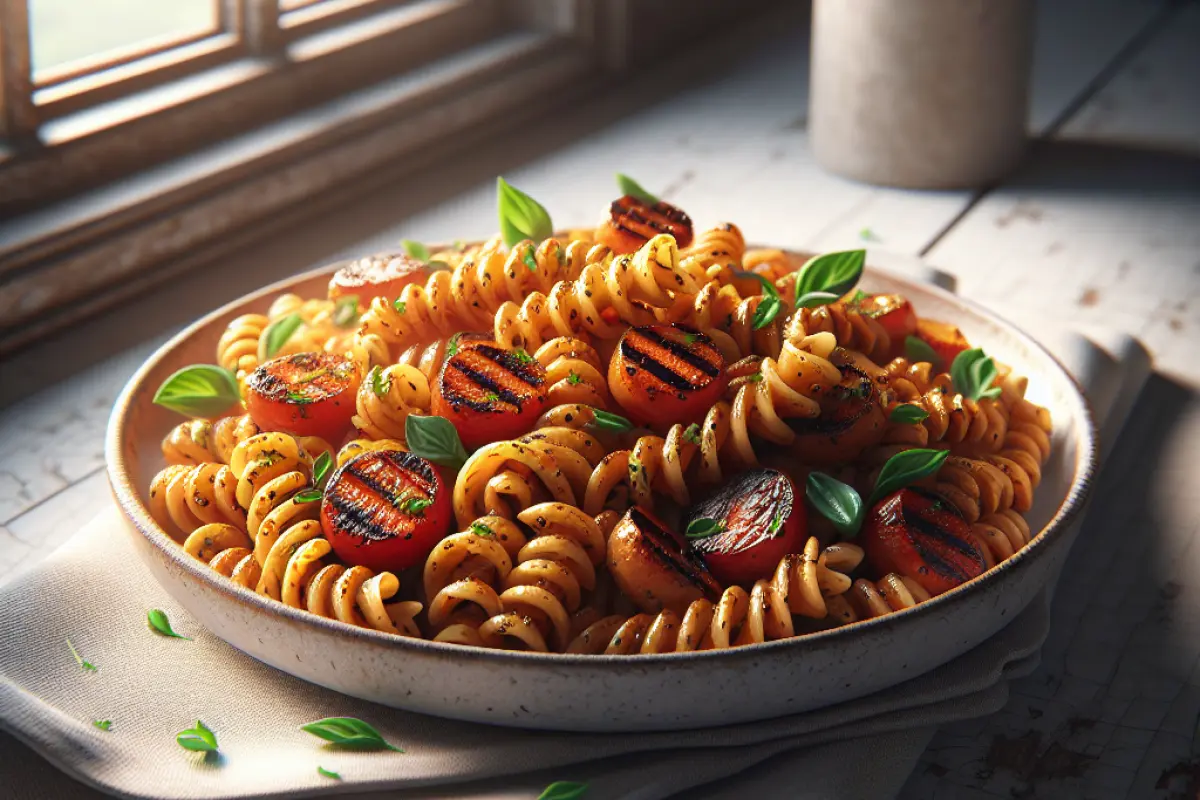
- For presentation, I like plating with a fresh basil sprig on top and a dusting of cheese around the rim—small touches that make the dish feel more inviting.
From what I've seen, even a simple side can really lift the whole meal. Toss in some grilled veggies or a bowl of marinated olives if you want to add a little extra flavor without any fuss.
Mistakes to Watch Out For
I’m not gonna lie—this pasta recipe isn’t completely foolproof if you don’t pay attention. Here are some common slip-ups I've run into that you'll want to avoid:
- Overcooking Pasta: I’ve lost track of how many times I’ve stepped away and ended up with mushy noodles. Always keep a timer handy and taste toward the end.
- Skipping Salt in Water: I once made a sauce-heavy pasta that tasted flat simply because I forgot salt in the boiling water. Don’t make the same mistake!
- Forgetting to Reserve Pasta Water: This tip really took me a while to incorporate, but the reserved starchy water is essential for smooth sauce consistency.
- Letting Garlic Burn: Garlic adds flavor quickly but turns bitter when burnt; reduce heat if you see it browning fast.
- Overloading Sauce with Too Much Liquid: If the sauce seems watery, simmer longer or add a small pinch of tomato paste.
- Underseasoning: Taste your sauce repeatedly to adjust salt and pepper.
Made a mistake while cooking? Don’t sweat it. Like the time I overcooked my pasta—I didn’t toss it out. Instead, I threw it into a hot pan with some olive oil to crisp it up, turning it into a tasty little snack. Cooking’s full of these happy accidents that teach you something new every time.
Storing Leftovers and Meal Prep Tips
If you’re lucky enough to have some leftovers, here’s how I keep them fresh and tasty:
- Refrigerate pasta in an airtight container for up to 2 days. Reheat gently with a splash of water or broth in a pan to avoid drying out.
- Avoid freezing pasta with sauce—it often alters texture and results in a mushy outcome.
- You can prepare the sauce in advance and store it in the fridge for up to 3 days. Reheat slowly and add fresh herbs before serving.
- To transform leftovers, sauté with an egg or make a pasta frittata. I found this approach freshens things up and makes good use of remnant meals.
I usually make sauces in big batches to save time during hectic weeks, but pasta is so quick to cook that I rarely boil it ahead and store it for more than a day or two.
Adjusting for Dietary Needs
If you have particular dietary restrictions or preferences, here’s what I recommend:
- Gluten-Free: Choose pasta made from rice or legumes. Sauces here remain the same.
- Vegan: Skip Parmesan and replace with nutritional yeast; check olive oil quality and avoid animal products in pre-made ingredients.
- Low-Carb: Consider vegetable noodles like zucchini or shirataki noodles as pasta substitutes. The sauce recipe works well over these as well.
- Dairy-Free: Omit cheese or replace with plant-based alternatives.
- If you’re avoiding nightshades (tomatoes), swapping tomato sauce with a garlic, olive oil, and herb base can still deliver good flavor.
Keep in mind that swapping ingredients can change how the dish feels—maybe less creamy or a bit different in texture. I suggest trying out changes that suit your taste, but don’t overcomplicate things. Sometimes simple is best.
FAQs
Want to stop your pasta from sticking? Make sure you use plenty of boiling water—about 4 liters for 400g of pasta does the trick. Toss in enough salt and stir now and then while it cooks. And trust me, don’t rinse it after draining; that only washes away flavor and makes noodles clump.
Can you make the sauce ahead? Absolutely! The tomato sauce keeps well in the fridge for up to three days, so prepping it early can save you some stress later. Just warm it up gently with fresh herbs before serving, and it’ll taste just as good as fresh.
The best way to bring leftover pasta back to life? Warm it gently in a skillet over medium-low heat. Add a splash of the pasta water you saved or some broth to help loosen the sauce and keep things nice and saucy. Trust me, skipping the microwave makes a big difference—it often leaves parts of the pasta dry and tough.
Wondering if your pasta’s cooked just right? The trick is to taste it a minute or two before the package timer runs out. You’re aiming for al dente—something that’s firm when you bite it but still tender, not hard or mushy. It’s that perfect texture that makes all the difference on your plate.
Can you swap dried herbs for fresh when cooking? Absolutely, but keep in mind dried herbs pack a bigger punch, so use about one-third as much as you would fresh. If you want the freshest flavor, save those fresh herbs to sprinkle on right at the end—right before serving is when they really shine.
Is it okay to rinse pasta after cooking? Well, most of the time, it’s better not to. Rinsing washes away the starch that helps the sauce cling perfectly to your noodles. The only time I’d recommend giving pasta a quick rinse is if you’re making a cold pasta salad—you want to cool the pasta down and keep it from sticking together. Otherwise, just drain and dive straight into your sauce!
Got a runny pasta sauce? No worries. The easiest way to thicken it up is to let it simmer gently without a lid—the liquid will reduce and the flavors will concentrate. If it still feels too thin, stirring in a spoonful of tomato paste works wonders. Another sneaky trick I love is tossing in some grated cheese at the end—it melts right in and adds a lovely creamy texture that helps thicken things up naturally.
Conclusion
Cooking great pasta at home comes down to simple ingredients and a bit of care. With this guide, I hope you feel ready to whip up a pasta dish that fits your taste and mood. Don’t be afraid to play around with the recipe—cooking should be fun, not a chore. And those moments sharing a meal with friends or family? That’s where the magic really happens. If you’re someone who likes straightforward, no-nonsense recipes that actually work, this guide should fit the bill. Give it a shot, make it your own, and most importantly, enjoy the process. If you want to dive deeper into Italian cooking, check out my posts on Homemade Italian Sauce from Scratch and Mastering the Perfect Risotto at Home. And hey, don’t forget to subscribe for more tips and follow along as I share my favorite recipes and tricks. Happy cooking!
If this topic interests you, you may also find this useful: https://www.cravediary.com/blog/ultimate-guide-how-to-make-the-perfect-chocolate-cake