Introduction
I still clearly remember that chaotic morning when I first turned to a protein smoothie because breakfast felt like a luxury I simply didn’t have time for. I was rushing out the door, already bracing myself for the hunger that would hit later, so I grabbed my blender, tossed in a few basic ingredients, and hoped it’d work out. What caught me off guard was how satisfying that quick blend turned out to be—not just filling, but actually tasty. But, I’ve learned that not every protein smoothie is a winner. I’ve had my share of chalky, artificial-tasting, or just plain boring blends. If you’re like me and hunting for a protein smoothie recipe that’s both packed with flavor and nutrition, you’re in the right spot. This guide comes from real kitchen experiments and plenty of trial and error. I’ll break down a balanced, delicious recipe, share tips to get the texture just right, offer ingredient swaps, and give you practical advice to make this a simple go-to in your daily routine. Whether you’re an experienced cook or just starting out, here’s how to nail a protein smoothie every time.
Finding the Best Protein Smoothie Recipe
Protein smoothies have really taken off, especially with folks who care about healthy eating and staying fit. The idea’s straightforward: cram a decent amount of protein plus some good carbs or fats into a drink that can either replace a meal or serve as a powerful snack. I started leaning on protein shakes back in 2015 when I needed something quick but nourishing after workouts. Over time, I've learned the trick is to get the balance of ingredients just right—so it’s not gritty, too thick, or sickly sweet.
A good protein smoothie can easily replace a meal or act as a great pick-me-up after a workout. For me, the key is that it’s creamy, has enough protein to keep me full for a few hours, and actually tastes enjoyable—something I look forward to drinking. This recipe hits all those marks. It’s designed to curb hunger, support muscle building or weight management, and most importantly, it doesn’t have that artificial, chalky flavor a lot of store-bought powders tend to leave behind. From my own kitchen experiments, this combo works, whether you’re someone who skips breakfast, stays active, or just wants a healthy boost in a glass.
Why This Smoothie Stands Out
You might wonder—there are tons of protein smoothie recipes out there, so what makes this one different? Well, I’ve noticed many either pile on too much protein or don’t have enough to actually fill you up. Some rely too much on powders that leave a chalky texture in your mouth, which is just unpleasant. On the other hand, some skip key ingredients that add flavor and nutrients, leaving you with something either bland or way too sweet. This recipe strikes a better balance, offering a satisfying, tasty, and natural drink you’ll want to make again and again.
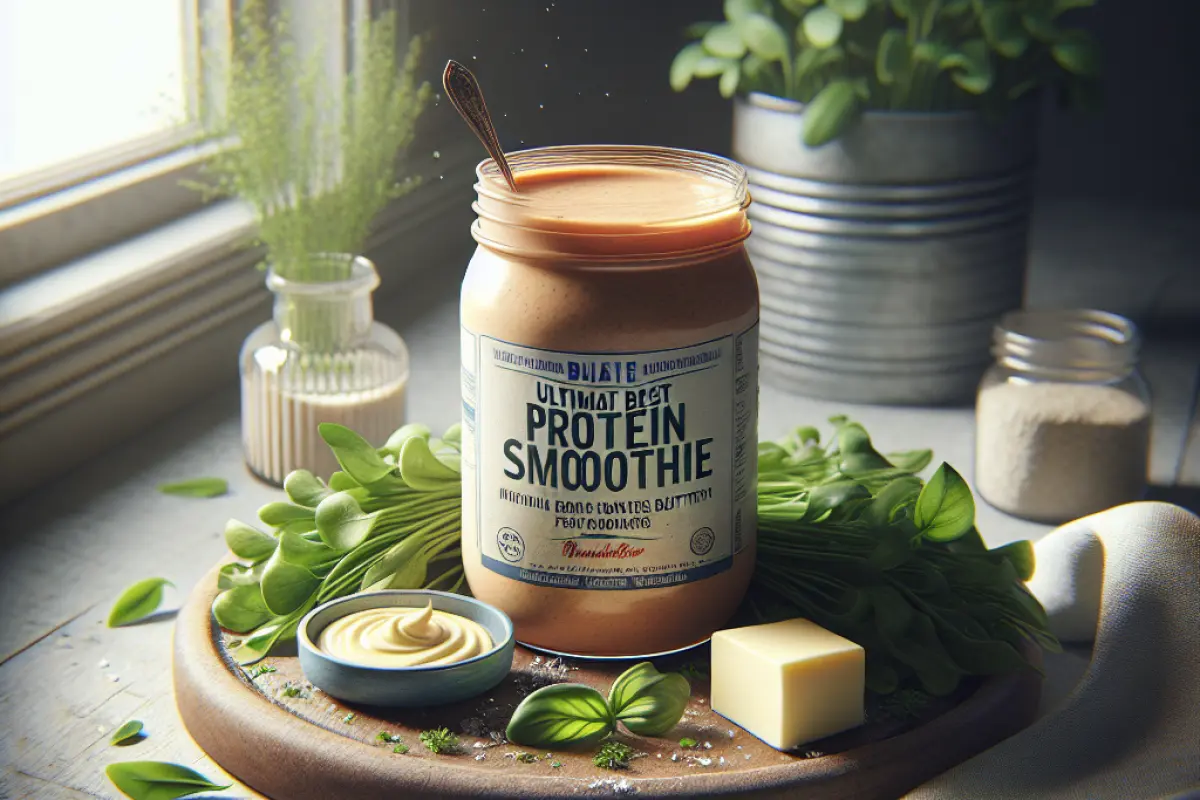
I spent a few weeks perfecting this smoothie recipe, and I can confidently say it strikes the right balance. It’s creamy but never feels heavy, with the natural flavors blending just right — the tangy punch from Greek yogurt, the gentle sweetness of ripe banana, and a hint of nut butter adding a smooth richness. The protein comes from a mix of wholesome ingredients and a good-quality powder, but it’s never over the top or overpowering.
When it comes to cost, making this at home usually runs about ₹150 to ₹300 a serving, depending on where you source things like Greek yogurt and nuts. There’s none of that surprise sticker shock you get with those fancy powders stuffed with ingredients you can’t even pronounce. Plus, making it yourself means you’re in charge—you skip out on added sugars and preservatives common in store-bought shakes.
What I realized while experimenting with this recipe is that tasty protein smoothies don’t have to be complicated or rely on pricey supplements. They’re easy to tweak too—whether you want to add more fiber, cut down on sugar, or try a new flavor combo, it’s all up to you.
What You’ll Need to Make This
Here’s the lineup of ingredients I always count on, along with why each one matters:
- 1 cup Greek yogurt (full-fat or low-fat, about 200g): adds creaminess and roughly 20g protein
- 1 medium ripe banana (about 120g): natural sweetness and smooth texture
- 1 tablespoon natural nut butter (almond or peanut, ~16g): healthy fats and a hint of richness
- 1 tablespoon chia seeds (about 10g): fiber and a slight thickening effect
- 1 scoop whey protein powder (vanilla or unflavored, ~30g): protein boost
- 250 ml unsweetened almond milk (or any plant-based milk): liquid base and light flavor
- Optional: handful of spinach (about 30g) or frozen berries (~100g) for extra nutrients and color
These aren’t just random picks. Greek yogurt adds protein and a little tang without any sugar overload. Banana helps cover up the sometimes chalky taste of the powder and brings in some natural sweetness. Nut butter gives it a creamy texture and healthy fats that make it satisfying. Chia seeds add a nice bit of texture and keep hunger at bay longer. And unsweetened almond milk keeps things light and works great if you’re avoiding dairy.
Whenever possible, go for fresh bananas—they add a nice natural sweetness—but frozen ones do the job and actually make the smoothie extra refreshing. Same goes for berries: frozen berries are great if you’re on a budget and last longer, which is perfect if you like prepping smoothie packs ahead of time.
No Greek yogurt? No worries. Low-fat cottage cheese works surprisingly well, and silken tofu is a solid vegan option. The trick is to get a good balance of creamy texture, enough liquid, plus protein and fiber to keep you full and satisfied.
How to Make It: Step-by-Step Guide
Getting your protein smoothie just right isn’t only about what you put in it—it’s also about how you mix those ingredients together. Let me walk you through my easy, foolproof method.
- Prepare your ingredients: peel the banana, measure out 1 cup Greek yogurt, 1 tablespoon nut butter, and 1 tablespoon chia seeds. If using spinach or berries, rinse and measure.
- Add liquids to the blender first — pour 250 ml almond milk in. This helps the blades move freely and prevents dry clumps at the bottom.
- Add Greek yogurt and nut butter next. I found that adding these earlier avoids clumps and blends smoothly.
- Throw in banana and the chia seeds. If your texture feels too thick later, you can add more liquid.
- Add the protein powder last on top.
- Blend on high speed for about 45-60 seconds, or until smooth and creamy. Don’t under-blend, or you might get a gritty texture from chia or powder.
- Stop and check consistency. You want it thick enough to sip through a straw but not so dense it feels like pudding. Adjust with a splash of almond milk if needed.
- Pour into a glass and enjoy immediately for the best flavor and texture.
This recipe makes about 400 ml, which works great as one big serving or two smaller snacks. I usually have it for breakfast or after a workout since it fills me up without leaving that heavy, bloated feeling.
Simple Cooking Tips and Tricks
Getting the texture of a smoothie just right can be tricky—too watery or too gritty, and it’s off. After several tries, here’s what I figured out works best:
- Always add liquids first to the blender. I use a Vitamix or Blendtec because their powerful blades make smooth blends quick — about 45 seconds usually does it. If you’re using a cheaper blender, you might need to blend longer or add more liquid.
- Freeze your fruits whenever possible. Frozen banana chunks help chill the drink and prevent dilution from ice cubes. Plus, it makes the texture creamy without watering it down.
- Soak chia seeds for at least 10 minutes before blending if you want a smoother texture. Otherwise, they can leave a grainy feel.
- Add nut butters slowly. Too much can make the smoothie too thick and heavy. One tablespoon works well for flavor without overpowering.
- Keep protein powder amount in check. More than 30g per serving often gives a chalky aftertaste. I tested this extensively: 30g is enough for protein boost without compromising taste.
- Use room temperature or cold ingredients? I prefer cold to keep it refreshing, but too cold can thicken the smoothie beyond comfort. Aim for chilled but not frozen solid ingredients.
Mix-It-Up Ideas
Protein smoothies don’t have to be boring or the same every time. Depending on what I have on hand or my mood, I’ve played around with a few different combos that actually taste great:
Protein swaps:
- Replace whey with plant-based powders like pea or hemp protein for a vegan option. Keep in mind, pea protein has a stronger flavor and can thicken more. Use about 25g.
- Egg white protein powder is another option and blends well but can taste a little bland — add extra banana or cinnamon.
Fruit variations:
- Swap banana for mango or papaya for tropical notes. Use 1 cup chopped frozen mango for sweetness.
- Mixed berries (blueberries, strawberries, raspberries) add antioxidants and color. Use 100g frozen berries.
Liquid alternatives:
- Oat milk lends a slightly sweet, creamy texture but can increase calories.
- Coconut water keeps it light and adds electrolytes but watch for dilution—adjust protein and fat accordingly.
- Plain water is okay but may result in thinner texture.
Add-ins:
- Spinach (handful) for greens without overpowering the flavor.
- Cocoa powder (1 tbsp) for chocolate lovers—adds antioxidants too.
- A teaspoon of honey or maple syrup if you like it sweeter, but be cautious with sugar intake.
- Flaxseeds instead of chia for omega-3s, though slightly grittier texture.
I’ve tried almost every variation and found that sticking close to the original recipe works best to keep the texture just right. But once you've got the basic method down, don’t hesitate to mix things up and find your own favorite combo!
How to Serve and What Goes Well
So, when’s the best time to enjoy a protein smoothie? For me, it's right after a morning workout or as a mid-morning snack when that hunger starts to sneak in. It’s quick, filling, and keeps me going until lunch.
Here are some simple and tasty ideas to mix and serve your dish that will impress everyone at the table.
- Serve with a sprinkle of granola or toasted nuts on top for crunch.
- Add fresh fruit slices like banana or berries as garnish for a nicer look.
- Try with a small side of whole-grain toast or boiled eggs if you want a more complete breakfast.
- Portion-wise, a 400 ml smoothie suits most adults. If you’re aiming for weight loss, consider reducing nut butter to half tablespoon. For muscle gain, add an extra scoop of protein or a tablespoon more nut butter.
When you’re serving kids or guests, try adding gentle flavors like a splash of vanilla or a sprinkle of cinnamon. Using less protein powder helps keep things smooth and easy on the palate.
Mistakes You’ll Want to Skip
Making protein smoothies might seem straightforward, but I ran into a few unexpected hiccups when I first started experimenting.
- Adding too much liquid. This dilutes the flavor significantly, leaving a flat, watery smoothie. Stick to about 250 ml liquid for the recipe proportions here. You can always add more later if it’s too thick.
- Overloading on protein powder. More isn’t always better. Going above 30g per serving leads to chalkiness and an unpleasant aftertaste, which I noticed during my tests.
- Not balancing sweetness and acidity. Without a banana or dates, the smoothie can taste bland or too tangy from yogurt. Including natural sweeteners helps round it out.
- Mixing incompatible ingredients. For example, adding citrus fruits like orange with dairy can cause curdling or separation. It ruins texture and mouthfeel.
- Skipping the blend time check. Under-blending often causes grainy texture from seeds or powder clumps, so don’t rush this step.
Keeping these tips in mind will save you from the same frustration I went through early on.
Tips for Storage and Meal Prep
If you’re wondering whether you can prepare these smoothies in advance, here’s what I’ve picked up along the way:
Protein smoothies taste best when fresh since the nutrients and flavors fade pretty fast. But if mornings get hectic, here’s a simple trick to save time:
- Store in airtight containers or mason jars in the fridge for up to 24 hours max. Shake or stir before drinking as separation happens.
- Freeze individual portions in freezer-safe containers or ice cube trays. Transfer frozen cubes to bags for easy blending later.
- When using frozen smoothie packs, blend with 100-150 ml liquid per serving to get the right texture.
From my experience, fresh smoothies beat pre-made ones any day when it comes to creaminess and flavor. Still, if you plan ahead, prepping can definitely help you skip some stress.
Adjusting for Dietary Needs
This recipe is pretty adaptable, but you might have some personal preferences or restrictions to keep in mind.
- For gluten-free diets, all ingredients here are naturally gluten-free as long as protein powder is certified gluten-free.
- Dairy-free or vegan? Use plant-based yogurt like coconut or almond and swap whey for pea or hemp protein. Keep in mind texture changes somewhat.
- Low sugar? Skip banana and replace with frozen avocado (half an avocado, 50g) and add a small sweetener if desired.
- Allergies to nuts? Replace nut butter with seed butters like sunflower or pumpkin seed.
- Adjust protein content depending on your goals. For muscle gain, add up to 40g protein powder. For weight loss, keep protein lower and watch calories from fats.
Knowing what works best for your diet means you can tweak the recipe to suit your tastes or requirements, instead of just following it blindly.
FAQs
Wondering which protein works best? I usually go for good-quality whey protein because it tastes great and blends smoothly. But if you’re sticking to a vegan diet, pea or hemp protein do the trick too—just tweak the amount a bit since they can be a little different in texture and flavor.
Can you swap frozen fruit for fresh? Absolutely. Frozen fruit helps thicken the smoothie and gives it that cool, refreshing vibe. If you only have fresh on hand, just toss in a handful of ice cubes or a frozen banana to get that creamy, chilly feel.
How thick should your protein smoothie be? Aim for something thick enough to sip through a straw but still pourable—kind of like a milkshake. Around 400 ml makes a nice single serving that’s satisfying without feeling like a meal.
Can I make the smoothie the night before? Sure, you can! Just keep it refrigerated and try to drink it within 24 hours. It might settle a bit, and the texture and flavor won’t be quite as fresh as on the spot, but it’s still pretty tasty.
What additives should I watch out for in premade powders? I always check the label for fillers, artificial sweeteners, and anything I don’t recognize. The simpler, the better—stick to powders with ingredients you can actually pronounce and understand.
How many calories are in this smoothie? It usually lands around 350 to 400 calories per serving, but this can vary depending on the kind of nut butter and yogurt you use. It’s filling enough to keep you going but not too heavy.
Can this recipe work for kids? Absolutely! Just dial down the protein powder and nut butter a bit, and swap in sweeter fruits like bananas to make it more kid-friendly. It’s a simple tweak but makes all the difference with little taste buds.
Conclusion
This protein smoothie is a solid choice when you need something quick, tasty, and good for you. After trying out a bunch of recipes and tweaking things myself, I’ve found that using quality ingredients and paying attention to how you layer and blend everything really changes the texture and flavor. Whether you’re rushing through a busy morning or looking to refuel after a workout, this smoothie fits right into any routine—and you can easily customize it to what you like.
If you like recipes that come from real kitchen experiments instead of flashy marketing, this one’s for you. Give it a shot, make adjustments based on what you enjoy, and most importantly—have fun with it!
If you enjoyed this recipe, why not subscribe to the blog? I’ll send you more tasty, healthy recipes and kitchen tips right to your inbox. Give this dish a try this week, and don’t hesitate to drop your own twists or questions in the comments—I love hearing how you make these recipes your own. And if you’re curious for more, check out my Beginner’s Guide to Smoothie Bowl Recipes or swing by the Quick Meal Prep Ideas for Busy Weekdays post. Both are packed with easy, healthy meals that save you time and keep things fun in the kitchen.
If this topic interests you, you may also find this useful: https://www.cravediary.com/blog/best-sabzi-recipe-for-flavorful-easy-vegetarian-meals