
The Ultimate Tofu Guide
Introduction
Tofu has been a regular on my kitchen counter for years, and yet, every time I cook with it, I stumble upon a new texture or flavor that surprises me. Whether it’s silky desserts or crunchy fried bites, this simple soy product always keeps things interesting. If you’re vegan, experimenting with plant-based meals, or just curious about tofu, this guide has got you covered. I’m sharing more than just recipes—expect practical tips, ingredient know-how, and pointers on what to avoid. If you’ve ever thought tofu was bland or tricky, stick around. This guide will help you cook tofu that’s packed with flavor and easy to make.
After testing countless recipes and spending years tweaking my tofu game in the kitchen, I’ve picked up a bunch of handy tips to turn a plain block of tofu into something really tasty. If you love cooking or just want to give tofu a fair shot, this guide is based on real kitchen experience, not theory. I’m aiming to help you take the guesswork out of cooking tofu and show you how to make meals that you’ll want to eat again and again.
Introduction to Tofu
So, what exactly is tofu, and where does it come from? Also called bean curd, tofu is made by curdling soy milk and pressing the soft curds into blocks. Think of it like cheese, but made from soybeans instead of milk. It’s been a staple in East Asian cooking for centuries, but these days, you’re just as likely to find it in kitchens around the world.
I’ve been cooking with tofu since around 2010, and one thing I quickly learned is that texture makes all the difference. Tofu comes in several varieties—silken, soft, firm, and extra-firm—and each works better in certain dishes. Silken tofu, for example, has a smooth, custard-like feel that’s perfect for desserts or smoothies. On the other hand, extra-firm tofu holds together well, making it great for frying or grilling without falling apart.
What surprised me when I started cooking with tofu was how bland it can taste on its own. That’s actually a good thing, because it soaks up flavors like a sponge—spices, marinades, sauces, you name it. But it also means you’ve got to treat it right. I remember my first attempt turned out pretty disappointing—bland, mushy cubes that didn’t do much for my taste buds. From then on, I knew pressing, marinating, and the right cooking method were key to turning tofu into something delicious.
Why Tofu Deserves a Spot on Your Plate
You might ask yourself, why should I bother cooking with tofu? For me, it’s more than just another source of protein. Tofu is like clay in the kitchen—it takes on whatever flavors you throw at it, making it surprisingly versatile. If you have the patience to experiment a bit, it can become anything from crispy bites to silky sauces. That’s what makes it a fun ingredient to play around with.
This guide is all about showing you how tofu can fit into your everyday meals—whether you're whipping up a quick stir-fry, blending it into a creamy smoothie, or even baking a sweet treat. Plus, tofu won’t break the bank here; a 300-gram block usually costs between ₹100 and ₹150 at local shops. It's easy to find, works for vegan, vegetarian, gluten-free, and dairy-free diets, and adds a nice boost to your cooking without the fuss.
If you’re just starting out with tofu and want some straightforward ideas that actually work, this guide is for you. And if plant-based meals are something you’re curious about, you might want to check out my other post: “How to Make Delicious Plant-Based Stir-Fries That Even Meat-Eaters Love.” I’ve learned that adding tofu to your cooking can lead to surprisingly tasty dishes—whether you’re trying it for the first time or already enjoy it.
What You'll Need to Get Started
To cook tofu right, you’ll want to have a handful of staples ready. I usually keep these ingredients on hand for quick tofu meals that come together fast and taste great:
- Types of tofu: silken, soft, firm, extra-firm. Pick based on the recipe—silken for desserts or smoothies; firm for frying.
- Soy sauce or tamari: for marinating and seasoning. Tamari is great if you want gluten-free options.
- Acidic ingredients: rice vinegar or lemon juice help balance flavors and brighten the dish.
- Oils: neutral oils like canola or sunflower for frying, and toasted sesame oil for finishing touches.
- Aromatics and flavor enhancers: garlic, ginger, chili, miso paste, and nutritional yeast all add depth and umami.
In my kitchen, I always keep a tofu press handy—it’s a simple gadget that costs around ₹500-700 and does a great job squeezing out moisture evenly, especially from firm or extra-firm tofu. If you don’t have one, no worries—just stack the tofu between a couple of paper towels and place a heavy pan on top for about 20-30 minutes. Works like a charm!
How to Cook Perfect Pan-Fried Tofu
Let me take you through my go-to method for pan-frying firm tofu—the one that gets you that beautiful golden crust and keeps the inside nicely firm. This technique never lets me down and works well in so many dishes. Once you’ve nailed this, you’ll feel ready to experiment with all sorts of flavors and recipes.
- Press the tofu: Remove a 350g block of firm tofu from its packaging and drain excess water. Pat it dry with paper towels. Place it between two layers of paper towels or clean kitchen cloths. Set a heavy cast-iron skillet or a couple of books on top to press out moisture for 15 to 30 minutes. I found that skipping this step almost always leads to soggy tofu.
- Cut into cubes or slices: Once pressed, cut the tofu into even cubes—about 2.5 cm pieces—or slices depending on your recipe. Cubes work great for stir-fries while slices fit sandwiches or salads.
- Marinate: Toss the tofu pieces in 3 tablespoons soy sauce or tamari, 1 teaspoon toasted sesame oil, 2 grated garlic cloves, and 1 teaspoon grated ginger. Let it sit for 15-20 minutes at room temperature. This step adds flavor that tofu alone doesn’t offer. You might think marinating is optional, but I found that it makes a noticeable difference.
- Heat the pan: Use a non-stick skillet or cast iron pan and heat 2 tablespoons of neutral oil over medium-high heat until shimmering.
- Cook the tofu: Arrange tofu pieces in the pan without crowding them, so each can crisp up. Let them cook untouched for 3 to 4 minutes until golden brown on one side, then flip each piece gently and cook the other side for another 3 minutes. Avoid moving tofu around too much. I learned the hard way this technique is vital for a good crust.
- Finish off: Add a splash (about 1 tablespoon) of marinade or your favorite sauce to the pan and cook for another minute, tossing gently to glaze.
In my experience, this straightforward trick never lets me down. It gives tofu a great texture and flavor that holds up perfectly when tossed into salads, rice bowls, or stir-fries.
Handy Cooking Tips
Over the years, I’ve learned a few simple tricks with tofu that can save you from some common kitchen frustrations. Here are some practical tips that have made my cooking much easier and tastier.
- Pressing technique: A tofu press is convenient, but if you don’t own one, stack plates and canned goods on tofu wrapped in kitchen towels to apply even pressure. It takes 15-30 minutes. Don’t rush this step unless you want mushy results.
- Marinate well: Since tofu’s natural taste is mild, a 10-20 minute marinade—or longer if you have time—helps the flavors penetrate. I sometimes marinate tofu overnight in the fridge when planning ahead.
- Pan frying vs baking: Baking, at 200°C for 25-30 minutes turning once, is a drier, hands-off option giving moderately crisp tofu. Pan frying speeds up crispness and offers better control but requires more attention. Try both and see what you prefer.
- Freezing tofu: Freezing then thawing tofu changes its texture into a chewier, spongier consistency that soaks up sauces beautifully. It’s my go-to method for recipes that call for extra bite, like Korean BBQ-style tofu. Just press well after thawing.
- Silken tofu handling: It’s fragile and water-rich; mix gently when blending into sauces or smoothies. Use a food processor or blender on low speed to avoid a gummy texture.
- Avoid cooking tofu directly from the fridge: Let your tofu sit at room temperature for 10-15 minutes before cooking; otherwise, it may cook unevenly and stick to the pan more.
Different Types and How to Swap Them
Tofu’s pretty adaptable, but how it works really depends on the texture you choose and the dish you’re making. Here’s what I usually keep in mind when cooking with it:
- Silken tofu’s custard-like texture is fantastic for smoothies, creamy vegan mayo, dressings, and soft desserts.
- Soft tofu comes in handy in soups like Japanese miso or Indian curries where it gently holds shape.
- Firm and extra-firm tofu are best for grilling, stir-frying, or making crispy fingers. They’re easier to handle without breaking apart.
- If you want to mix things up, tempeh and seitan offer more complex flavors and chewy textures—but they’re very different. I find tofu to be the mildest and easiest to customize.
- Some people substitute paneer or halloumi in non-vegan recipes, but these are dairy-based and much saltier. You’ll want to adjust seasoning accordingly.
How to Serve Tofu and What Goes Well With It
Once you’ve got your tofu just right, the next question is—what goes best with it? Here are a few of my favorite pairings that never disappoint:
- Put crispy tofu cubes on a fresh Asian-style salad tossed with shredded cabbage, carrots, scallions, and peanut dressing.
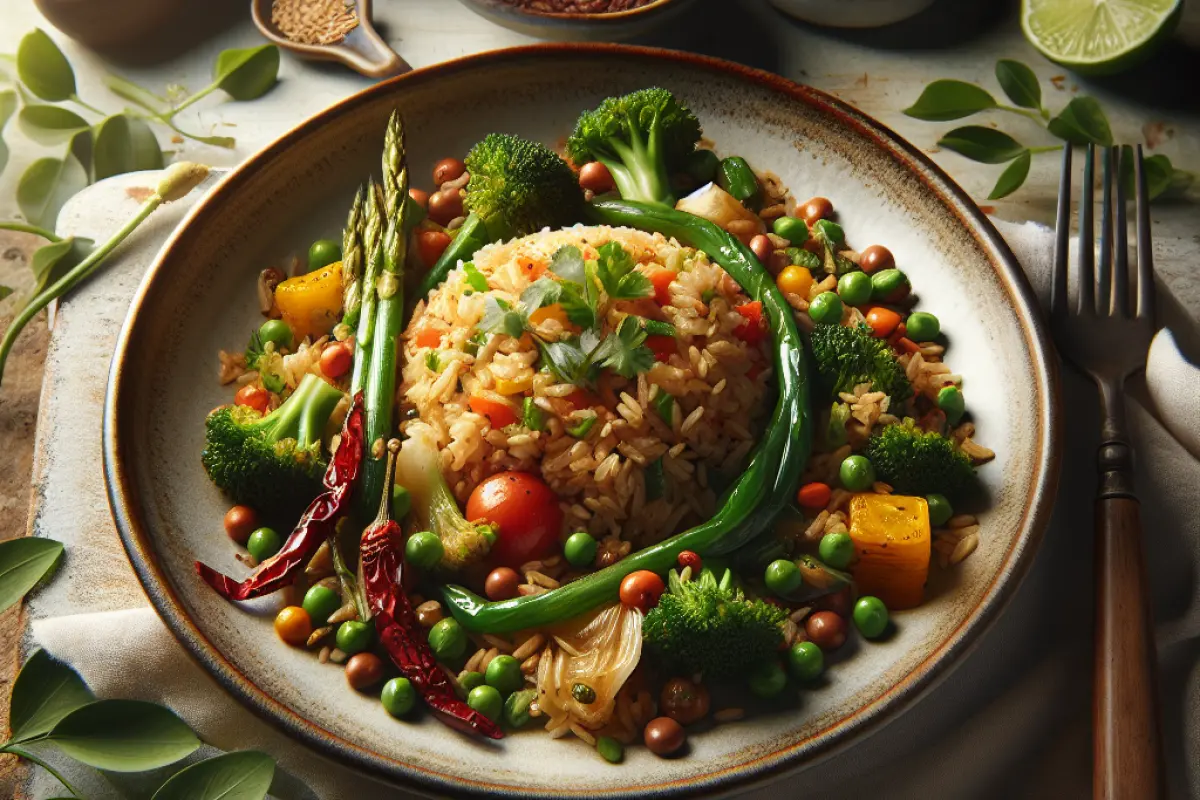
- Stir-fry vegetables like bell peppers, broccoli, and snap peas with tofu and serve over steamed jasmine or Basmati rice.
- Blend silken tofu into dips or vegan cheesecakes for creamy richness without dairy.
- Go bold with sauces: Korean gochujang, Japanese teriyaki glaze, or spicy Szechuan pepper sauce all complement tofu superbly.
I remember trying tofu tossed in a simple chili-garlic sauce with rice noodles once, and honestly, the mix of spicy heat and soft noodles was a total surprise—in a good way! Give your go-to sauces a shot and see what combinations you come up with.
Mistakes You’ll Want to Skip
To save you from some “what did I just do?” moments, here are a few common mistakes I’ve run into (and yep, some I’ve made myself):
- Not pressing tofu enough: Too much moisture results in soggy tofu that fails to crisp.
- Overcrowding the pan: This traps steam instead of letting tofu crisp up. Use two pans if necessary.
- Using the wrong tofu type: Silken tofu doesn’t crisp like firm tofu—don’t expect it to fry well.
- Under-seasoning: Without enough marinade or seasoning, tofu tastes dull.
- Cooking tofu straight from the fridge: Cold tofu sticks to pans and cooks unevenly.
Easy Storage and Meal Prep Tips
How you store tofu can make a big difference in how long it lasts and how easy it is to use. I keep unopened tofu in the fridge until I’m ready to cook with it—it usually stays fresh for about a week, depending on the packaging. After opening, I put the tofu in an airtight container and cover it with fresh, cold water, changing that water every day. This trick keeps it good for about 4 to 5 days.
Whenever I have leftover cooked tofu, I pop it into an airtight container and store it in the fridge. When I’m ready to eat, I gently warm it up on the stove or in the oven—that way, it keeps its texture nice and firm instead of turning mushy.
Tofu actually freezes really well for a couple of months. One time, I froze a 400-gram block, then thawed and pressed it before tossing it into a spicy stir-fry. It ended up with a chewier, more sponge-like texture—something subtle but definitely worth noting if you like a bit of bite in your tofu.
Dietary Tips and Alternatives
Tofu naturally fits well with gluten-free and dairy-free diets, which makes it a solid choice for vegans and vegetarians. However, if you have a soy allergy, which can be pretty serious, tofu isn’t going to work for you. Better to steer clear and find other protein options.
If gluten’s an issue for you, swapping regular soy sauce for tamari is a simple fix. Tamari is usually gluten-free, so you don’t have to worry about any hidden gluten sneaking in.
There’s been some talk about the phytoestrogens in soy products like tofu raising eyebrows, but eating a moderate amount—say, 100 to 150 grams a day—is generally safe. In fact, it might even be good for your heart. Still, if you have any health worries, chatting with your doctor is always a smart move.
If you're looking to mix up the textures a bit, try tempeh—it’s fermented soy with a pleasant nutty taste and a chewy, firm bite. On the other hand, seitan is made from wheat protein and has a dense, meaty texture, but keep in mind it’s loaded with gluten, so it’s a no-go if you're avoiding gluten.
Common Questions
Can you eat tofu raw? Silken tofu is totally fine to eat straight from the package and works great in smoothies or desserts. Firm tofu, though, usually tastes and feels better when cooked—it can be a bit bland and spongy otherwise, plus cooking helps with digestion.
To keep tofu from sticking, I always reach for a good non-stick pan and don’t skimp on the oil—around a tablespoon usually does the trick. Patience is key here; let the tofu cook undisturbed until it forms a golden crust before flipping it over. Also, taking the tofu out of the fridge ahead of time to warm up to room temperature really helps it cook more evenly and stick less.
When it comes to stir-fry, firm or extra-firm tofu is your best friend. It holds its shape well during cooking and crisps up beautifully without falling apart. Silken tofu might be smooth, but it just can’t handle the heat and toss like the firmer varieties.
Once you’ve cooked your tofu, it’ll stay fresh in the fridge for about 3 to 4 days if you store it properly in an airtight container. Beyond that, it starts to lose its texture and flavor, so I always try to plan my meals around that window.
Can tofu absorb marinade flavors overnight? Absolutely! Letting tofu soak up a marinade overnight really amps up the flavors, especially if you’re using a firmer kind. It’s like giving it time to soak in all the tasty goodness instead of just skimming the surface.
Is tofu healthy? Definitely. Tofu’s a solid plant-based protein source, packed with calcium and iron, and it’s low in saturated fat. It’s one of those versatile ingredients that’s good for your body without sacrificing flavor.
How do I make tofu crispy? The trick is all in the prep and the pan. Press your tofu well to squeeze out the moisture, then pat it dry. Heat your oil until it’s shimmering but not smoking, and don’t crowd the pan—give each piece some room to crisp up. Cook over medium-high heat for about 3-4 minutes each side, and resist the urge to flip it too often. That’s how you get that perfect golden crunch.
Conclusion
After spending years experimenting with tofu in my own kitchen, I’ve grown to love it as a versatile, budget-friendly, and healthy ingredient that fits into so many types of dishes. The trick is picking the right variety, pressing out the extra moisture, marinating well, and getting the cooking method just right. Follow these simple tips and you’ll be surprised at how tofu can steal the show or add a satisfying touch to your meals. Give it a shot—you might find a new favorite way to enjoy it!
If you’re curious about more plant-based recipes, don’t forget to swing by the other posts here on CraveDiary for plenty of tasty ideas.
Liked this tofu guide? Sign up for my newsletter and get fresh recipe ideas sent straight to your inbox every week!
Why not give pan-fried tofu a shot at home this week? It’s a simple way to bring a bit of that flavor magic back into your kitchen. And if you do, I’d love to see how it turns out—share your photos and tag #CraveDiaryEats so we can swap cooking stories!
If this topic interests you, you may also find this useful: https://www.cravediary.com/blog/authentic-best-dal-makhani-recipe-for-rich-flavor