
Introduction
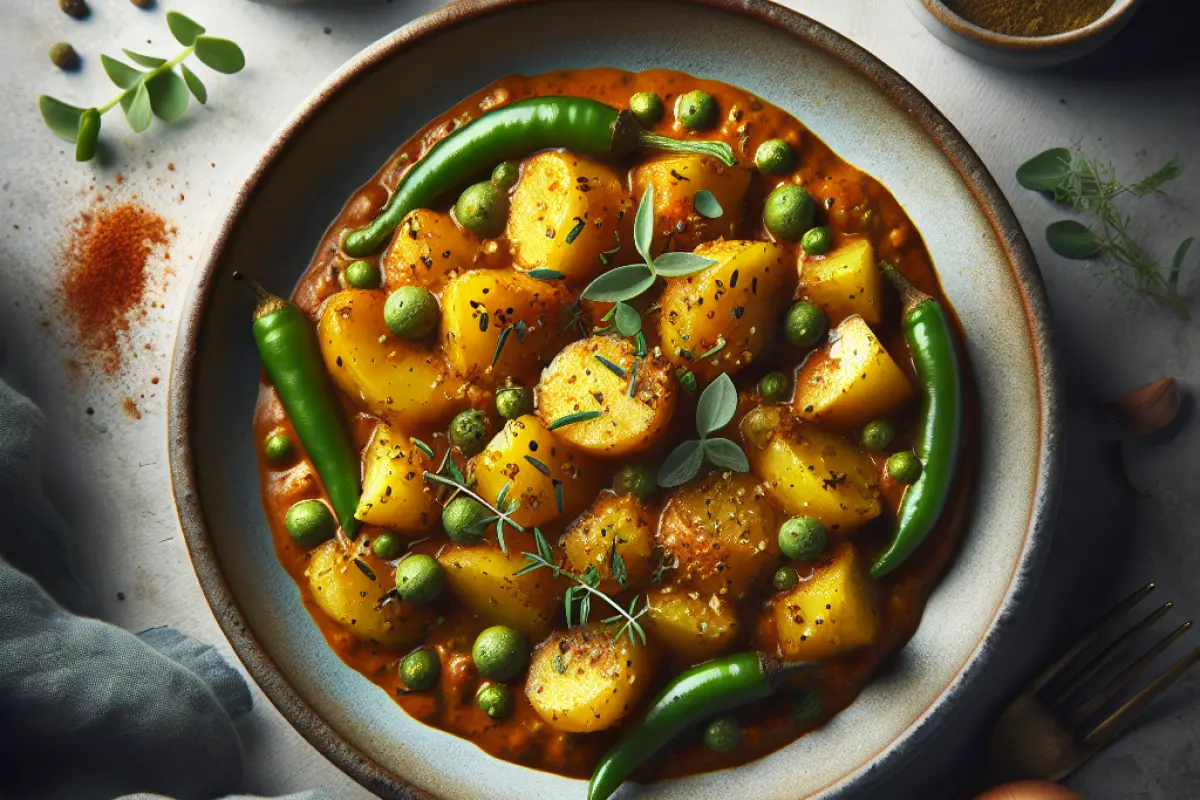
Sabzi has been a go-to dish in my kitchen for as long as I can remember – it’s flexible, comforting, and easily changes with the seasons. There’s something magical about how a few simple veggies and spices can come together to create such a satisfying meal. I still recall the first time I really got into making sabzi from scratch: hearing the mustard seeds pop in the pan, the scent of fresh spices filling my small kitchen, and thinking, “I’m really onto something here.” Whether you’re a kitchen pro or just starting out, this guide will cover everything you need to know to cook up your own delicious sabzi.
This guide is perfect if you’re curious about making sabzi — whether you love exploring authentic flavors, need quick and tasty meal ideas, or just want clear, step-by-step instructions. By the time you finish reading, you’ll not only know how to make sabzi, but also how to put your own spin on it.
Getting to Know Sabzi
So, what’s sabzi all about? At its core, sabzi is a vegetable dish you'll find in pretty much every Indian kitchen. The word comes from Persian and means “greens” or vegetables, but these days, sabzi covers all kinds of cooked veggie dishes popular across India, Pakistan, and even some Middle Eastern countries.
You might be wondering how sabzi is different from curry or stir-fry. The big difference? Sabzi is usually cooked with spices and a bit of water or tomato, making it more of a semi-dry or dry dish — not the soupy kind you get with curry. The magic starts when spices hit hot oil or ghee in a process called “tadka” or tempering — that’s when the aroma really comes alive. After that, chopped veggies go in and cook until they're tender but still full of texture.
Sabzi changes character depending on where you are. In Punjab, for example, you might get a hearty potato sabzi seasoned with cumin and coriander, rich and comforting. Head down south, and you’ll notice mustard seeds and coconut jumping into the mix, giving a completely different flavor. The main idea stays the same though — pick fresh, seasonal veggies, spice them up, and cook them down into something that’s just right with either bread or rice.
When it comes to sabzi, the ingredients are simple and familiar — think potatoes, cauliflower, peas, okra, carrots, and beans. Sometimes leafy greens like spinach or fenugreek sneak in too. The real magic happens with the aromatics: onions, garlic, ginger, and a kick of green chilies. The spices? Nothing fancy, just the everyday ones you find in most Indian kitchens: turmeric, cumin seeds, mustard seeds, coriander powder, and occasionally a pinch of garam masala.
Why This Dish Sticks Around
You see sabzi on dining tables across India, and it’s clear there’s more to it than meets the eye. To me, it’s not just a simple vegetable curry — it’s the kind of dish that feels like home, easy to customize, and packed with wholesome goodness all at once.
Sabzi plays a key role in daily meals — it’s usually the go-to veggie dish on the plate. It’s straightforward, easy on the wallet (expect to spend around ₹50 to ₹100 per serving depending on the veggies), and loaded with vitamins and fiber. If you’re trying to eat healthier, you can easily dial down the oil or salt without losing that comforting, homemade feel.
But sabzi is more than just food — it’s part of the culture. I've seen it served during fasts, festivals, and family get-togethers, each time celebrating local vegetables and tastes. To me, sabzi is what I’d call affordable soul food, simple yet deeply satisfying.
Over the years, I’ve played around with countless sabzi recipes and learned that even the humblest ingredients can come alive with the right spices and cooking technique. You don’t need anything fancy to make a dish that feels full and satisfying. That said, making good sabzi takes some attention — timing matters to keep the veggies just right, the spices balanced, and knowing exactly when to throw everything together.
I won’t lie — this recipe isn’t the quickest to pull together. Making your own spice mix, chopping all the veggies just right, and getting the oil tempered perfectly can take a solid 30 to 40 minutes. If you’re in a rush, it might feel a bit slow. But if you’re anything like me and enjoy the rhythm of cooking, the process is half the fun and really pays off in flavor.
What You’ll Need
Here’s a look at the basics I always keep on hand when making sabzi: fresh vegetables, the usual spices like cumin and coriander, a bit of turmeric for color, some ginger and garlic for that kick, and of course oil for tempering. Having these ready makes the whole thing come together smoothly.
Vegetables:
- 2 medium potatoes (about 300g), peeled and chopped
- 1 cup cauliflower florets (roughly 200g)
- 1/2 cup green peas (fresh or frozen, about 75g)
- 1 cup okra, sliced (optional)
- 1 medium carrot (100g), diced
- 1 medium onion (150g), finely chopped
- 2 medium tomatoes (250g), chopped
- 3-4 cloves garlic, minced
- 1-inch piece ginger, grated
- 1-2 green chilies, slit or chopped
Spices and aromatics are the heart and soul of any kitchen here — they add that vivid burst of flavor you just can't get from store-bought blends.
- 2 tablespoons vegetable oil or mustard oil
- 1 teaspoon mustard seeds
- 1 teaspoon cumin seeds
- 1/2 teaspoon turmeric powder
- 1 teaspoon coriander powder
- 1/2 teaspoon red chili powder (adjust to taste)
- 1/2 teaspoon garam masala (optional)
- 1/2 teaspoon amchur (dry mango powder), gives tanginess (optional)
- Salt to taste (approx 1 to 1 and 1/2 teaspoons)
Other staples:
- Fresh coriander leaves for garnish (a small handful)
- Water (about 100-150ml for cooking)
- If you want, a pinch of asafoetida (hing) for digestion and aroma
When I shop, I always go for fresh, seasonal veggies — they just taste better and have that perfect crunch. Around the local markets, cauliflower and potatoes go for about ₹20-₹40 per kilo, which is easy on the wallet. And the spices? A good pack usually costs less than ₹200 and can last you several months.
Fresh spices make all the difference — old powders lose their kick pretty fast. I like to buy small amounts regularly and keep them tucked away in airtight jars, away from light and moisture, so they stay fragrant and fresh longer.
How to Cook It: A Simple Walkthrough
Okay, let’s dive into the kitchen! After trying this recipe a few times, here’s the straightforward process I stick to — it’s reliable and gets the dish just right every time.
- Prepare vegetables:
Wash, peel, and chop potatoes (2 medium, ~300g), cauliflower (1 cup florets), carrot (1 medium, diced ~100g), and other veggies like okra (~1 cup sliced) if using. Keep peas (1/2 cup) handy, fresh or thawed if frozen. - Temper the spices (tadka):
Heat 2 tablespoons vegetable or mustard oil in a heavy-bottomed pan or cast iron skillet over medium heat. Once hot, add 1 teaspoon mustard seeds. When they begin to pop (about 30 seconds), add 1 teaspoon cumin seeds and optional pinch of asafoetida. Stir for 15 seconds. - Sauté aromatics:
Add finely chopped onion (1 medium, 150g) and sauté for 5-6 minutes until translucent but not browned. Add 3-4 minced garlic cloves and 1-inch grated ginger, continue cooking for another 2 minutes until fragrant. - Add spices and tomatoes:
Sprinkle 1/2 teaspoon turmeric powder, 1 teaspoon coriander powder, and 1/2 teaspoon red chili powder. Stir for 30 seconds to roast the spices. Add 2 chopped medium tomatoes (250g) and cook until they soften and oil separates, roughly 5-7 minutes. - Add veggies and salt:
Add chopped vegetables — potatoes, cauliflower, carrot, and green peas. Stir to coat with the spice mixture. Season with salt (approx 1 to 1 1/2 teaspoons). Add 100-150ml water and mix. - Simmer and cook:
Cover the pan with a lid, reduce heat to low, and let it simmer for 20-25 minutes. Check every 8-10 minutes, stirring gently to prevent sticking. Adjust water if you want a wetter or drier sabzi. - Finish with garam masala and garnish:
Once veggies are tender but not mushy, sprinkle 1/2 teaspoon garam masala and stir gently. Cook uncovered for another 2 minutes. Turn off heat and garnish with chopped fresh coriander (a handful).
Handy Cooking Tips and Tricks
Here’s something I learned the hard way about getting sabzi just right:
- Adjust spice levels by starting small. It’s easier to add than to tone down heat. I often begin with 1/2 teaspoon chili powder and increase on taste.
- Use mustard or vegetable oil for authentic flavor; mustard oil adds pungency but can be strong if you’re not used to it. Sometimes I blend with sunflower oil for milder taste.
- Timing is crucial. Potatoes and carrots take longer, so chop them smaller for even cooking. Cauliflower cooks fast, so add after potatoes have started softening if you want to avoid mush.
- Keep the heat moderate during tempering so spices don’t burn. A burnt cumin or mustard seed can ruin the whole batch.
- Don’t overcrowd the pan; good airflow and space ensure veggies fry rather than steam, maintaining texture.
- If you want less oily sabzi, reduce oil to 1 tablespoon or spray oil and use a non-stick pan.
If you’re curious about this, you might want to check out my post on “Essential Indian Spice Blends and How to Use Them in Everyday Cooking.”
Swaps and Variations
Sabzi is surprisingly flexible — I’ve experimented with a bunch of versions depending on what ingredients I had on hand or what I was in the mood for.
- Regional differences: In the south, coconut paste or curry leaves in the tempering offer a different take. In Gujarat, sugar or jaggery might be added for subtle sweetness.
- Using yogurt: For a creamier texture, some add 1/4 cup yogurt towards the end, but watch out for curdling — add slowly off heat.
- Vegetable swaps: Don’t hesitate to swap cauliflower for broccoli, peas for beans, or add leafy greens like spinach or kale for variation. Frozen mixed veggies can work too, but watch cooking times.
- Dietary tweaks: Sabzi is naturally gluten-free — but watch cross-contamination if using premixed spice powders. To keep it vegan, avoid ghee and stick to vegetable oil.
- If you’re on a low-sodium diet, limit added salt and boost flavor with lemon juice or amchur powder for tang.
How to Serve and What to Pair It With
Sabzi goes great with your everyday Indian meals. Here are some of my favorite ways to enjoy it alongside other dishes:
- Roti or chapati: Freshly made whole wheat flatbread soaks up the sabzi’s flavors well.
- Paratha: Stuffed or plain parathas with a dab of butter complement spiced sabzi nicely.
- Basmati rice: Plain steamed or jeera (cumin) rice balances richly spiced sabzi.
- Side dishes: Cool cucumber raita or tangy mango pickle add contrast.
I remember a simple lunch from last summer — the sabzi I whipped up with potatoes, peas, and carrots, served alongside warm rotis and a bowl of thick, creamy dahi. It wasn’t fancy, but somehow it perfectly suited that lazy Sunday afternoon. The comfort and straightforwardness of that meal have stayed with me ever since.
Mistakes to Watch Out For
You might assume making sabzi is straightforward, but I’ve learned the hard way that there are some easy slip-ups to avoid:
- Overcooking vegetables leads to mushy texture, and nobody likes that. Keep an eye and test veggies with a fork.
- Burning tempering spices: Mustard and cumin seeds can burn quickly, so moderate heat is necessary.
- Using too much water turns sabzi into a soupy dish, straying from its typical texture.
- Forgetting to adjust seasoning at the end can leave your sabzi bland.
To keep things from sticking or burning, keep an eye on your cooking times, use a sturdy pan with a thick base, stir every now and then, and always give it a taste before serving — it’ll save you from any unpleasant surprises.
Storing and Prepping Leftovers
Leftover sabzi? No worries. I usually let it cool completely, then pop it in an airtight container before storing it in the fridge. It stays good for about four days, which means you get a few more tasty meals without extra work.
When freezing sabzi, I like to portion it into freezer-safe containers and try to eat it within a month so it retains its fresh flavor. When you're ready to enjoy it again, just thaw it overnight in the fridge and warm it up slowly on the stove or in the microwave. Be careful not to overheat — it can really change the texture if you’re too quick with it.
Cooking sabzi in batches over the weekend has been a huge time-saver for me during hectic weekdays. I usually make two different kinds and switch them up throughout the week. It keeps dinner interesting without having to spend ages in the kitchen every night.
Diet Tips and Alternatives
Sabzi fits effortlessly into a variety of diets, whether you’re aiming for something light, packed with nutrients, or just downright delicious.
- Vegan and vegetarian-friendly by default — no animal products needed.
- Gluten-free if you avoid wheat-based breads; pair with rice or gluten-free flatbreads.
- Low-oil: Cut oil by half or use cooking methods like dry roasting spices before adding minimal oil.
- Low-sodium: Reduce salt, enhance flavor with herbs like coriander or lemon juice.
- Spice-sensitive eaters can omit green chilies and reduce chili powder.
FAQs
- Can I use frozen vegetables for sabzi?
Yes, frozen veggies work fine, especially peas, carrots, or mixed veggies. Just adjust cooking times since frozen veggies release water and soften faster. - What's the best oil for making sabzi?
Mustard oil is traditional and flavorful but strong. Vegetable oil is neutral and easier for beginners. Sunflower or canola oil also works well. - How do I make sabzi less oily?
Start with 1 tablespoon oil or use a non-stick pan. You can also reduce tempering oil and rely more on spice powders for flavor. - Can I prepare sabzi without onion and garlic?
Yes, many variations skip onion and garlic, especially during fasts. Use hing (asafoetida) and green chilies to compensate for flavor. - How can I make sabzi spicier or milder?
Adjust chili powder and green chilies. For milder sabzi, remove seeds from chilies and reduce amount. - What is the difference between sabzi and curry?
Sabzi is typically drier and uses less liquid, whereas curry is saucier or more gravy-based. - How long does sabzi keep in the fridge?
Usually 3-4 days in a sealed container. Reheat thoroughly before eating.
Conclusion
Sabzi isn’t just another vegetable dish – it’s a versatile, healthy side that complements so many meals and gives you plenty of room to play around with spices and recipes. From picking the right ingredients to trying different cooking methods, this guide has everything you need to start making sabzi your own at home.
After numerous trips to local markets and experimenting in the kitchen, I can say that sabzi is a reliable go-to in any food lover’s collection. It’s simple, flexible, and always satisfying.
Ready to fill your kitchen with the smell of fresh, homemade sabzi? Make sure you subscribe for more easy recipe guides and give us a follow if you want daily cooking ideas that actually work!
Why not grab some of your favorite veggies and start experimenting today? Trust me, cooking can be pretty fun when you mix things up. Enjoy!
If this topic interests you, you may also find this useful: https://www.cravediary.com/blog/complete-guide-to-sabzi-tips-recipes-cooking-secrets